June 2026 saw continued commercial investment across the marine industry, with activity centered on manufacturing, shipbuilding, alternative propulsion, LNG transportation, and naval procurement. Collectively, these developments provide a clear view of current capital allocation and industrial priorities across the global maritime sector.
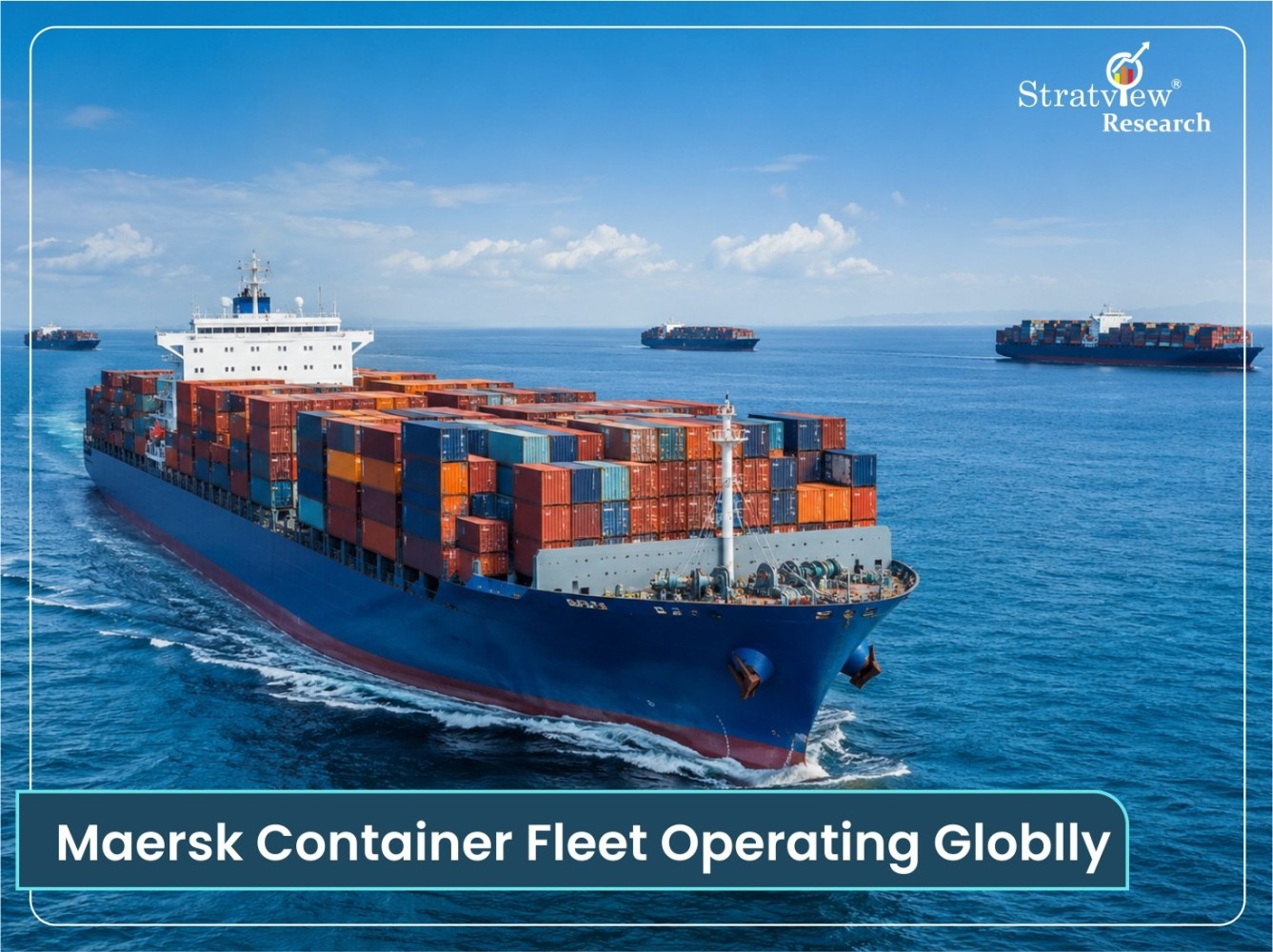
1. Maersk Places Order for 1,000 Made-in-India Cargo Containers
Global shipping and logistics company A.P. Moller – Maersk placed an order for 1,000 ISO steel cargo containers with DCM Shriram International Ltd. (DSIL). Production will take place at DSIL's Faridabad facility, supporting India's domestic container manufacturing ambitions ahead of the proposed ₹10,000 crore Production Linked Incentive (PLI) scheme.
Analyst Insight
China currently dominates global container manufacturing, accounting for well over 90% of worldwide production, leaving limited geographic diversity in the supply chain. Commercial orders placed with new manufacturing locations help expand production capacity, strengthen supplier networks, and reduce dependence on a single sourcing region over time.
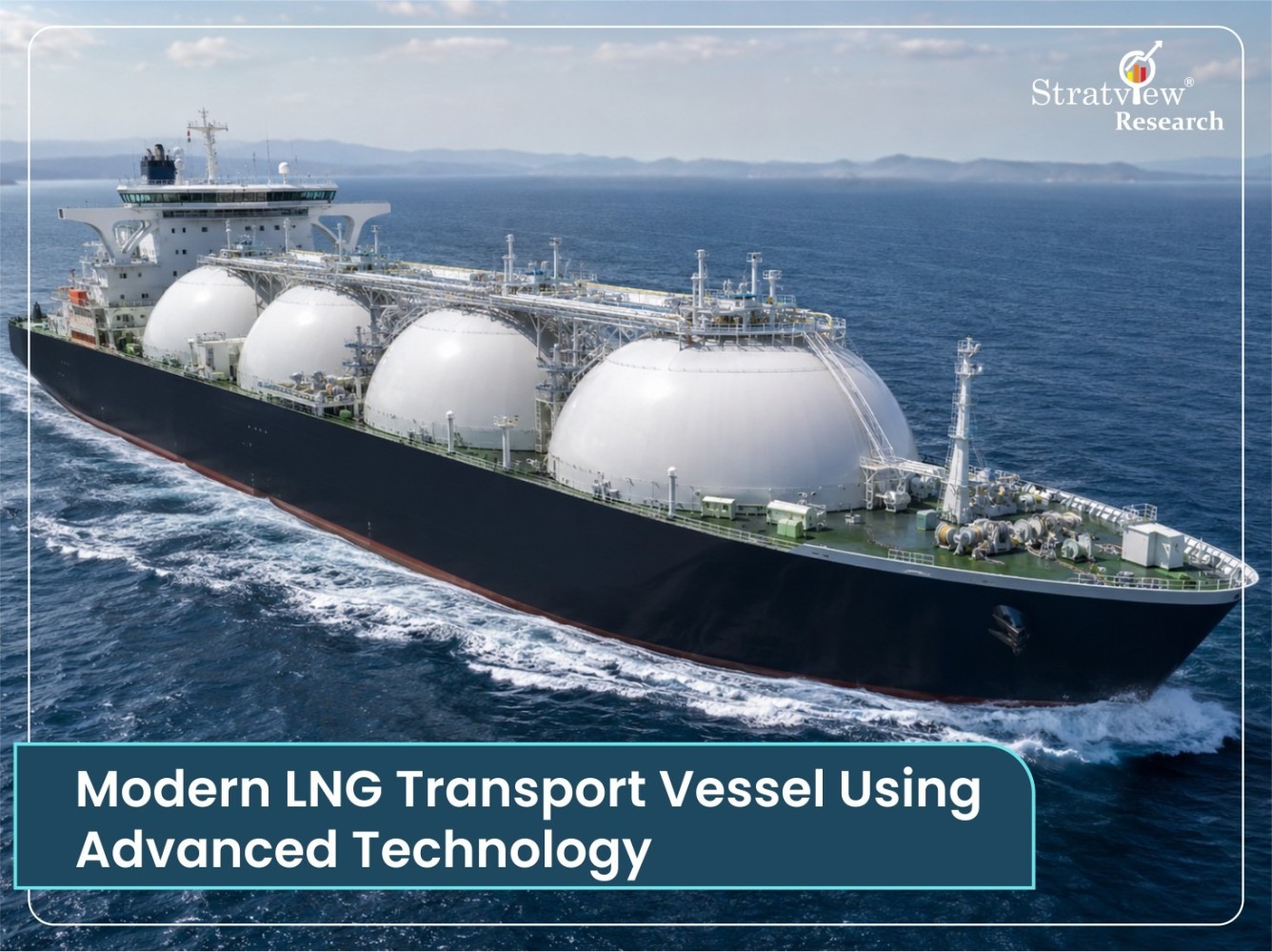
2. GTT Secures New LNG Carrier Equipment Orders
French engineering company GTT secured fresh orders for its membrane containment systems, which will be installed on multiple LNG carriers under construction at leading international shipyards.
Analyst Insight
The order flow points to sustained investment in LNG transportation. While alternative marine fuels receive growing attention, commercial vessel owners continue selecting established technologies that support existing LNG trade routes and infrastructure.
3. Hengli Heavy Industry Delivers Two Large Commercial Tankers
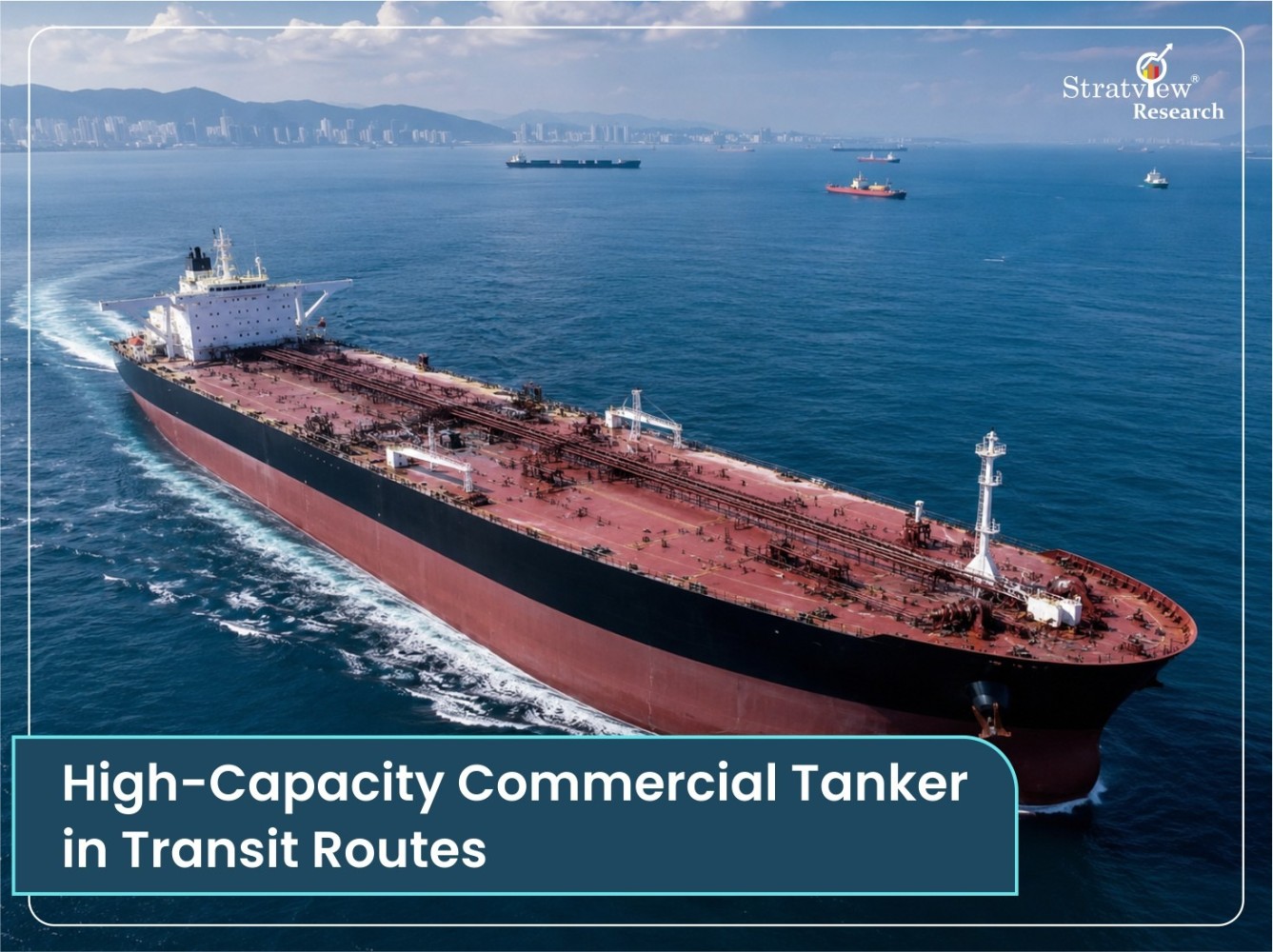
Hengli Heavy Industry delivered a 306,000 DWT Very Large Crude Carrier (VLCC) and a 114,000 DWT LR2 product tanker to Dynacom Tankers Management during a single delivery ceremony at its Dalian shipyard.
Analyst Insight
The simultaneous delivery of two large tankers demonstrates strong execution capability. Delivery performance now carries greater commercial value as shipowners evaluate yard capacity, schedule reliability, and project execution alongside new order opportunities.
4. Dajin Heavy Industry Reports US$1.3 Billion Orderbook
Dajin Heavy Industry announced a commercial orderbook exceeding US$1.3 billion, providing production visibility through 2029 across its shipbuilding and heavy fabrication businesses.
Analyst Insight
A multi-year backlog supports investment decisions across the entire production chain. Shipyards gain greater confidence to expand manufacturing capacity, strengthen supplier partnerships, and invest in workforce development when future workloads remain visible.
5. Incat Tasmania Selects Advanced Battery Systems
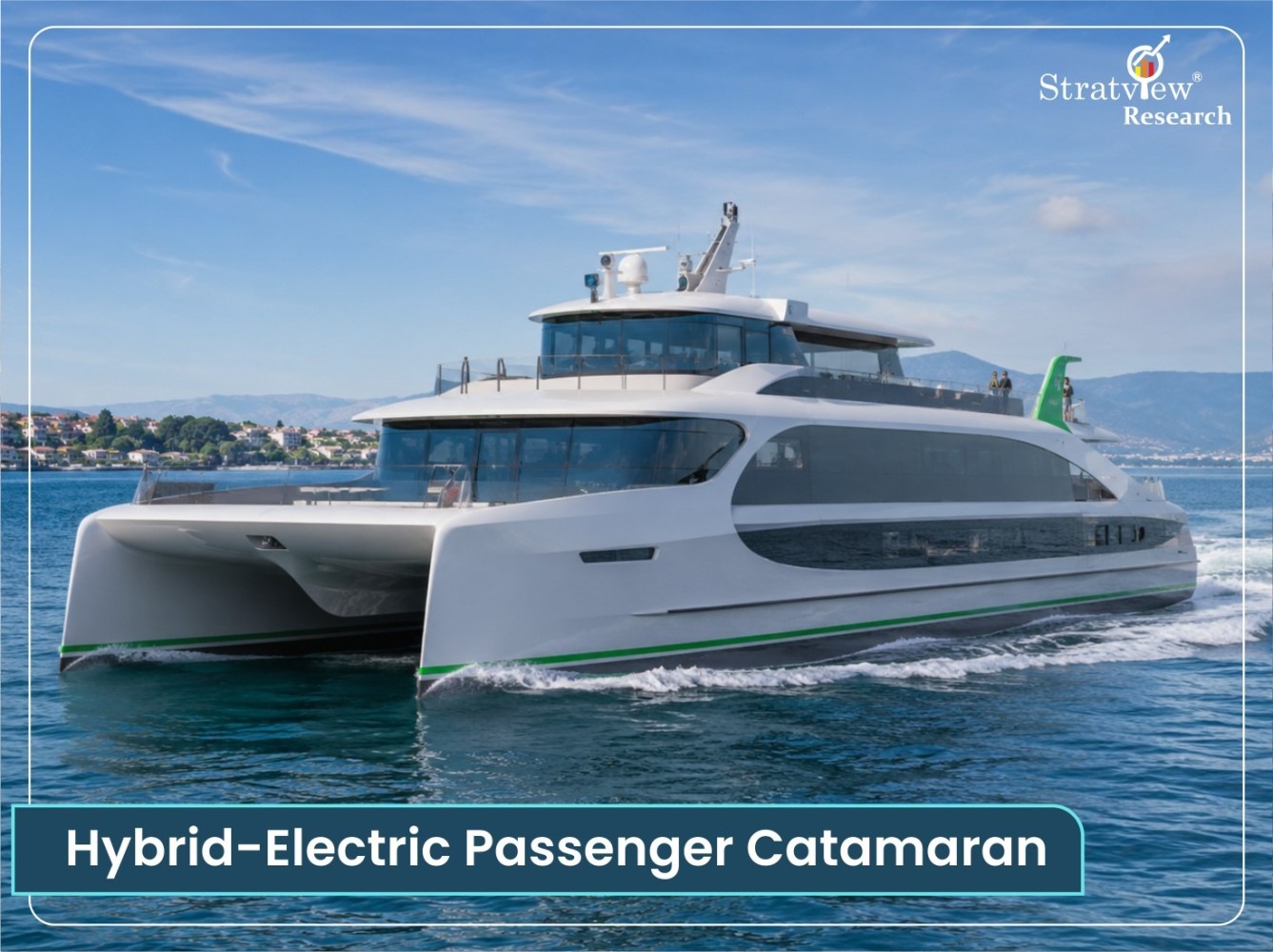
Incat Tasmania selected Echandia's Core Lithium Titanium Oxide (LTO) battery system for its new 78-meter hybrid-electric catamaran ferry, allowing both fully electric and generator-assisted operation.
Analyst Insight
Regional ferry services offer one of the strongest commercial cases for vessel electrification. Fixed sailing routes, predictable operating schedules, and established charging opportunities support practical deployment while improving long-term operating economics.
6. Germany Restructures Its Naval Frigate Program
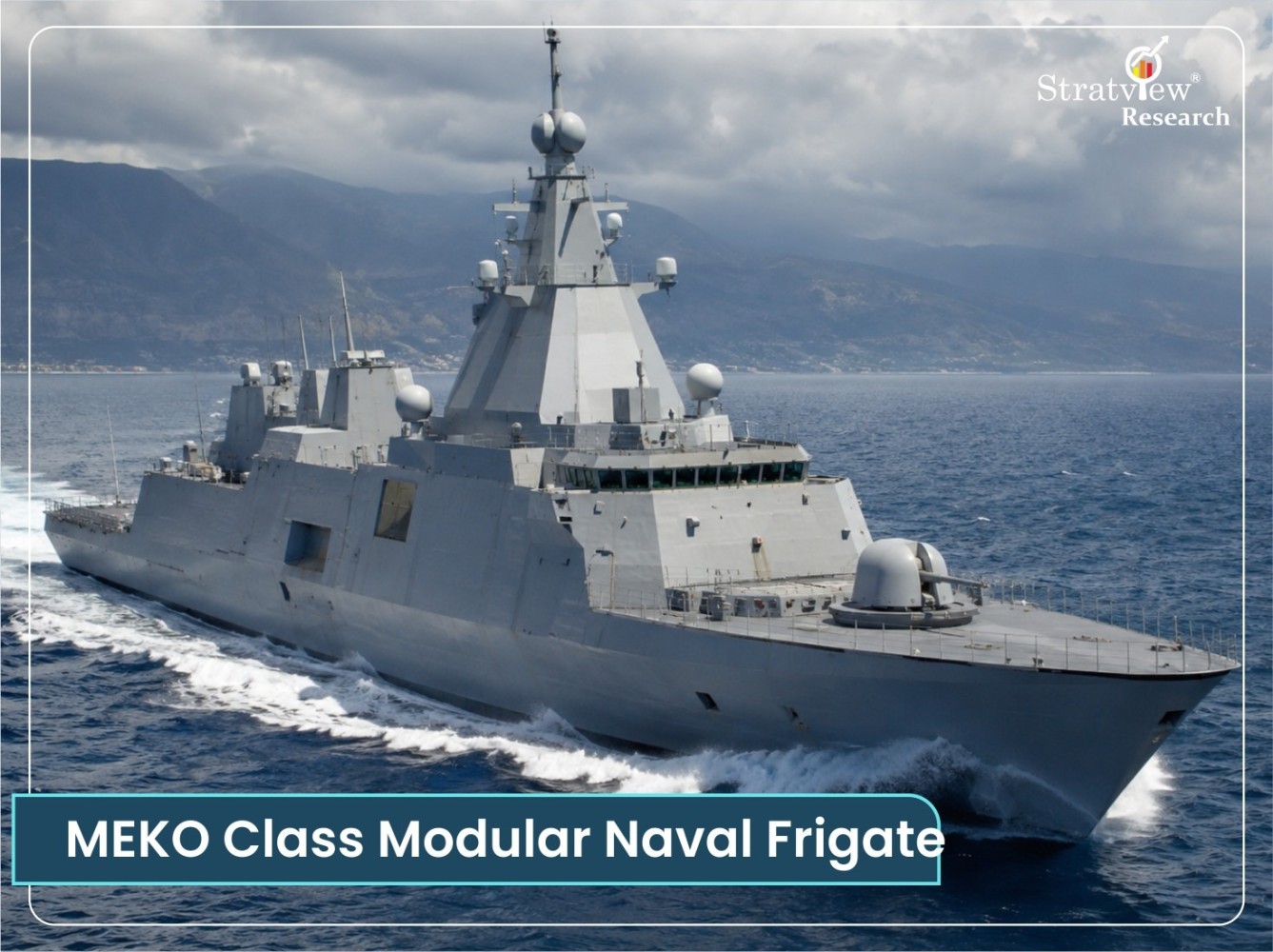
Germany announced plans to replace its delayed F126 frigate program with a procurement strategy worth approximately €11.6 billion for up to eight TKMS MEKO A-200 DEU frigates, subject to parliamentary approval.
Analyst Insight
The decision highlights the value governments now place on delivery certainty. Proven naval platforms with established production systems reduce execution risk and support faster fleet availability during a period of rising maritime security requirements.
The Common Thread
Each announcement belongs to a different part of the marine industry, yet they point in the same commercial direction.
Investment is concentrating on manufacturing capability, production visibility, proven technologies, and industrial resilience. These priorities strengthen industrial capacity, improve supply chain reliability, and support fleet renewal across both commercial and defense markets.
Success in the current marine market depends on more than securing new business. Consistent execution, reliable production, and industrial readiness are becoming stronger competitive differentiators across the value chain.
The Next Port of Call
June's commercial activity offers an early indication of where the marine industry is placing long-term investment. Manufacturing expansion, specialized vessel technologies, localized supply chains, and fleet modernization all received meaningful capital during the month.
For shipbuilders, equipment suppliers, and technology companies, the opportunity now lies in converting investment into execution. Companies capable of scaling shipbuilding capacity, strengthening supply chains, and maintaining delivery performance will be better positioned to benefit from the next wave of fleet renewal.