
If you’ve ever wondered what keeps today’s most advanced military platforms lighter, stronger, and mission-ready, the answer often lies in a material you rarely see - indeed, the unsung backbone of modern defense: composites. Long before they became headline technologies, these materials reshaped how nations build their aircraft, protect their soldiers, and design next-gen defense systems.
Today, as geopolitical tensions rise, global defense budgets hit a record USD 2.7 trillion in 2024, and militaries race to modernize aging fleets, armed forces are under pressure to upgrade readiness. This urgency is driving a fresh wave of procurement, pushing militaries to phase out heavy legacy platforms. As this shift accelerates, the focus is naturally moving toward lighter, high-performance composite-based systems that boost mobility and elevate operational tempo across mission theaters.
Composite materials are naturally getting a bigger share of the spotlight in the defence sector. The defense composites market was roughly USD 0.8 billion 2024 and is expected to edge up to around USD 1.1 billion by 2032. And with this foundation set, let’s now explore the market’s deeper insights, segment by segment.
Understanding the Building Blocks of Defense Composites
Let’s begin with the core element of any composite - its reinforcement. Among carbon, glass, aramid, and ceramic reinforcements, carbon composites take the lead with >60% market share. And it’s not surprising. These materials offer an exceptional balance of strength and ultra-low weight, nearly five times stronger and about 30% lighter than aluminium. For defense engineers designing high-load aircraft or next-gen UAVs, carbon composites have become an indispensable choice.
Because defense platforms demand uncompromising reliability, the reinforcement must be anchored by a robust matrix – hence, thermoset composites lead the field, commanding more than 80% of the market.
Why? Simply because thermosets provide the rigidity, durability, and fatigue resistance necessary for the most demanding structures, such as fuselages, wings, control surfaces, armoured vehicle panels, and ballistic protection. Their ability to remain dimensionally stable under high stress and harsh environments keeps them ahead of thermoplastic systems in this sector.
And where do these materials finally land? From aircraft and ground systems to soldier protection and weaponry, composites touch every corner of defense. However, military aircraft rule the market with >45% share, propelled by fleet modernization and next-gen fighter programs.
A perfect illustration? The F-35 stealth fighter. Large sections of its wings, fuselage, and internal structures are built from carbon-fiber thermoset composites. The same holds for the Eurofighter Typhoon, and helicopters like the Apache and Black Hawk, where composites enable high performance under extreme G-loads and battlefield conditions.
North America’s Lead & the Path Forward
North America dominates the global defence composites market because of its massive defense spending, deep aerospace manufacturing base, and early adoption of advanced composite technologies.
The narrative would be incomplete without the giants located in NA - Hexcel, DuPont, LyondellBasell, and Owens Corning.
It’s this innovation that keeps North America firmly in the lead, commanding over 55% of the global market. With rising demand for lightweight structures and modern military platforms, the growth trajectory of the defense composites market remains strong, signalling a future where composites redefine what defense systems can achieve.
Curious to know more? Read more about the Defence Composites Market here.
TAGS: Composites Aerospace & Defence
Subscribe to our newsletter
Related Blogs:
Bolts that Hold Every Flight – Aircraft Bolts Market Explained in a Minute.
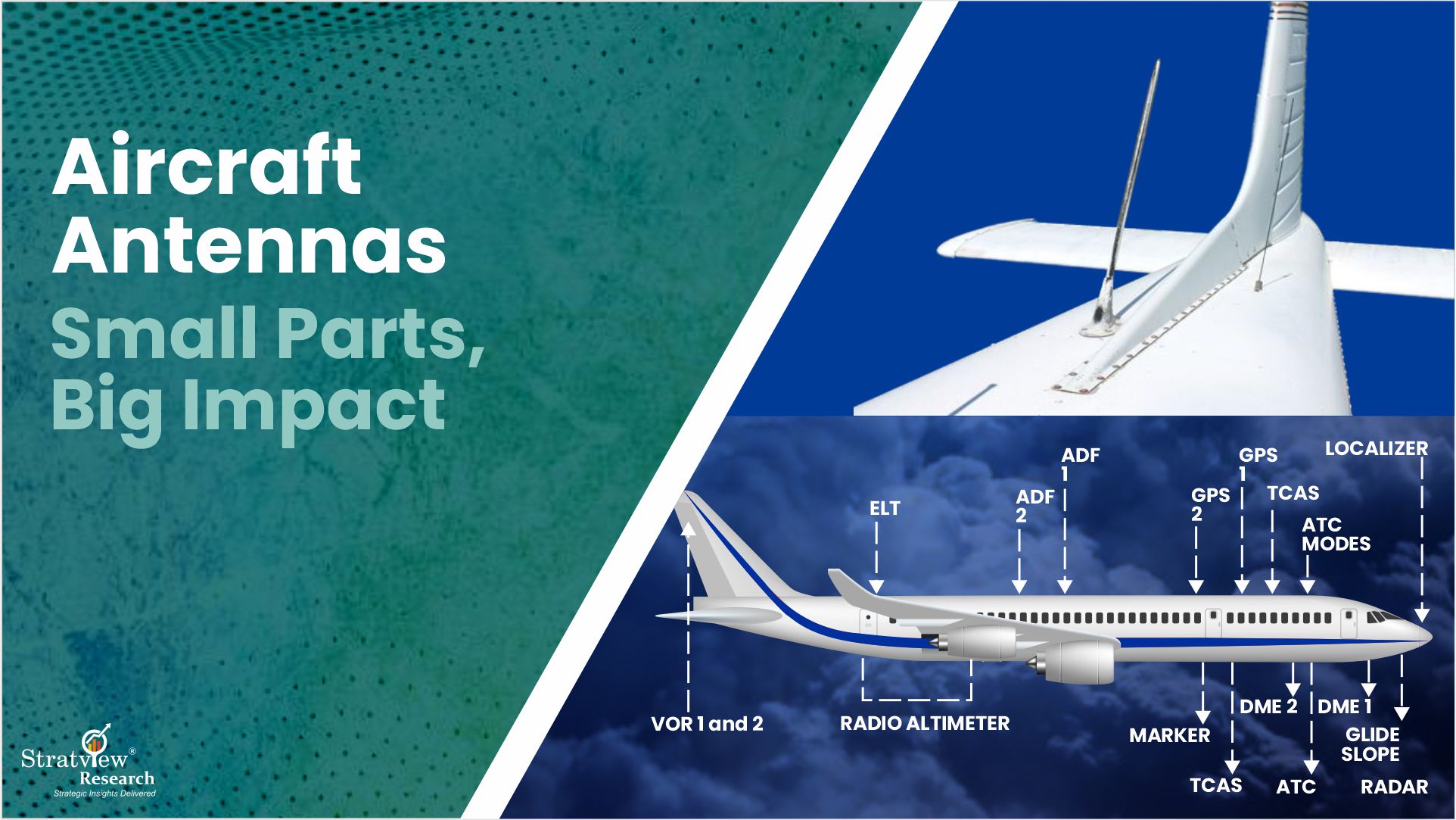
Signals That Keep Every Flight Alive, Aircraft Antenna Market Explained in a Minute
.jfif)
Automotive Carbon Ceramic Brakes Market - Explained in a Minute
Didn’t find what you were looking for?
Tell us about your requirements
(Our team usually responds within a few hours)