The global aircraft closed-die forging market was valued at nearly USD 20 billion in 2025 and is projected to exceed USD 23 billion by 2032. Driven by rising aircraft production, engine demand, and the use of high-performance materials such as nickel alloys and titanium, closed-die forging remains central to manufacturing precise, fatigue-resistant aerospace components.
The first generation of flight hardware including crankshafts, connecting rods, and other structural fittings used in World War era military platforms, also used forged components, predominantly open-die methods, before closed-die precision tooling became widespread. With the aircraft programs scaling rapidly and component geometries growing more complex, closed-die forging gradually made its place in the aerospace sector, enabling tighter dimensional tolerances, repeatable near-net shapes, and higher production efficiency.
The aerospace industry continues to demand the same strength and reliability for today’s and next-generation high-bypass engines and lightweight airframes. Growing geometric complexity, stricter tolerance bands, and higher production volumes leave little room for variability, driving a natural shift toward closed-die forging. Major reason behind its widespread adoption is its capability to deliver repeatable near-net shapes, controlled grain flow, and the dimensional accuracy required for structurally critical aerospace components.
More About Closed-die Forging
Closed-die forging also known as ‘Impression-die forging’ stands out because the metal is pressed into a precisely shaped mold, which controls exactly how it flows and takes shape. To be precise – the billet is plastically deformed under compressive loads within a contoured die cavity that replicates the pre-engineered geometry of any component. As the dies close, the material flows under high pressure to completely fill the cavity, conforming precisely to its defined shape.
This allows manufacturers to produce parts that are very close to their final dimensions, reducing the need for heavy machining, or manual handling later. The process also helps align the metal’s internal grain structure in a way that improves strength and fatigue resistance.
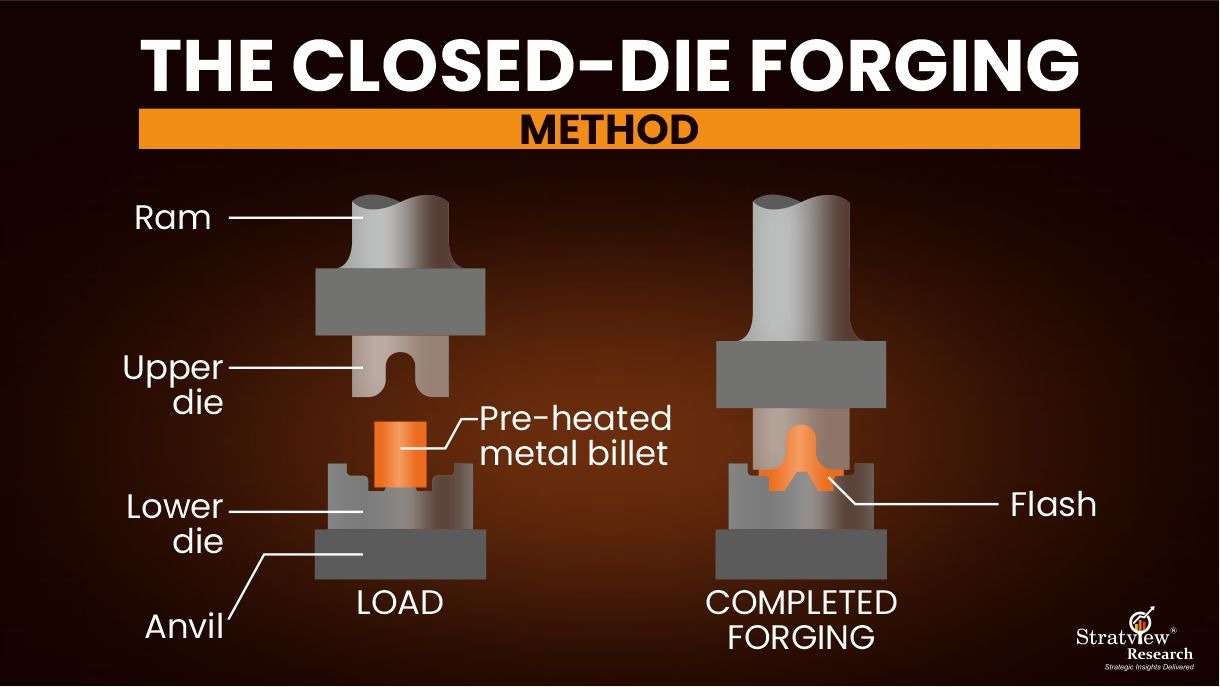
Fig.1. Closed-die Forging Method
Closed-die forging is widely used for critical rotating components such as compressor and turbine disks in modern turbofan engines. By aligning grain flow with part geometry, it enhances fatigue resistance under cyclic loading. The process enables complex near-net shapes in single or staged operations, reducing machining allowances and material waste, particularly important for titanium and nickel superalloys.
Why Closed-Die Forging for Aerospace?
In aerospace manufacturing, where certification margins are tight and defect tolerance is near zero, closed-die forging delivers predictable metallurgical performance and scalable production reliability. Closed-die forging is the foundation of aerospace component manufacturing, offering three critical advantages:
- Superior Strength & Durability: Closed-die forging compresses metal into precise shapes, enhancing grain flow and delivering exceptional strength and fatigue resistance. The result is – components that meet the stringent durability and performance requirements of the aerospace industry.
- High Precision & Quality: The process enables tight tolerances and complex geometries essential for aerospace applications, where accuracy is non-negotiable. Its inherent consistency reduces the need for extensive machining while preserving material integrity and ensuring compliance with rigorous quality standards.
- Diverse Material Options: Closed-die forging supports a broad range of materials, including high-strength alloys and stainless steel. These materials provide lightweight characteristics for fuel efficiency and resilience under stress, addressing varied aerospace performance requirements.
These advantages make closed-die forging the dominant aerospace process, accounting for ~70% of forged aircraft components and consistently delivering the safety, efficiency, and reliability required in flight-critical applications.
Closed-die forging is preferred for components where structural performance and dimensional fidelity are essential. Key aerospace applications include –
- Engine hardware such as turbine disks, spindles, and shafts operating under extreme thermal and cyclic loads
- High-stress structural fittings at airframe integration points
- Landing gear components designed to withstand high impact loads and precise alignment requirements.
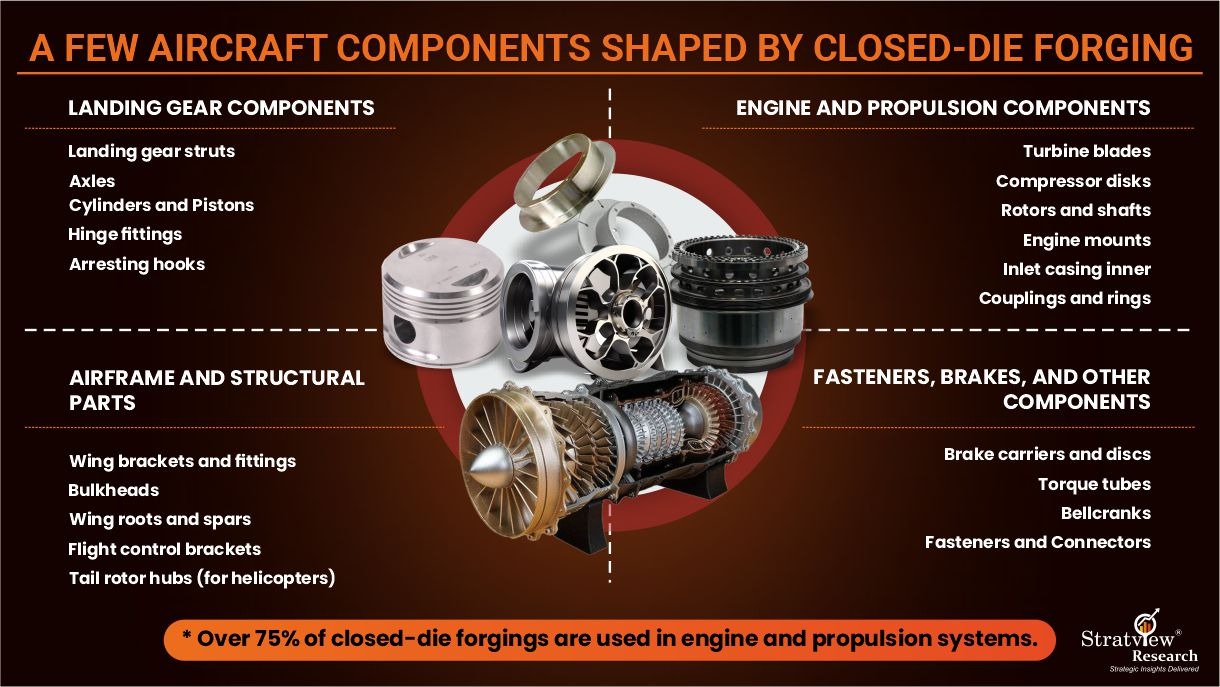
Fig.2. Applications Applications of Aerospace Closed-Die Forging in Aircraft Components
Each application reflects a requirement set where closed-die forging’s ability to deliver controlled microstructures, repeatability, and minimal post-machining aligns with stringent certification pathways.
Material Selection in Aerospace Closed-Die Forging
Closed-die forging in aerospace is largely driven by material performance requirements, with metal selection closely tied to aircraft system demands. Engine components represent the largest share of forged applications due to sustained exposure to high temperatures and cyclic loads – typical conditions where casting or conventional machining fall short in fatigue performance.
In 2025, engine-related applications accounted for >USD 15 billion in closed-die forged components, reinforcing their leading position in overall aerospace forging demand.
And in this context, nickel and nickel-based superalloys have emerged as the preferred material platform, given their ability to retain strength at temperatures ranging from cryogenic levels (-238°F) to above 1,800°F, while resisting oxidation, corrosion, and erosion. As a result, nickel alloys are extensively closed-die forged into turbine blades, combustion chambers, exhaust cones, High-Pressure Compressor (HPC) disks, and Low-Pressure Turbine (LPT) disks.
In fact, nickel alloys constitute nearly 40–50% of an aircraft engine’s weight, particularly within the hot-section turbine, and today command over 55% of the total aircraft closed-die forging market share, reflecting their central role in propulsion systems.
In practical terms, a typical commercial jet engine incorporates nearly 1.8 tonnes of nickel superalloys, enabling sustained performance for roughly 20,000 flight hours before major overhaul cycles are required.
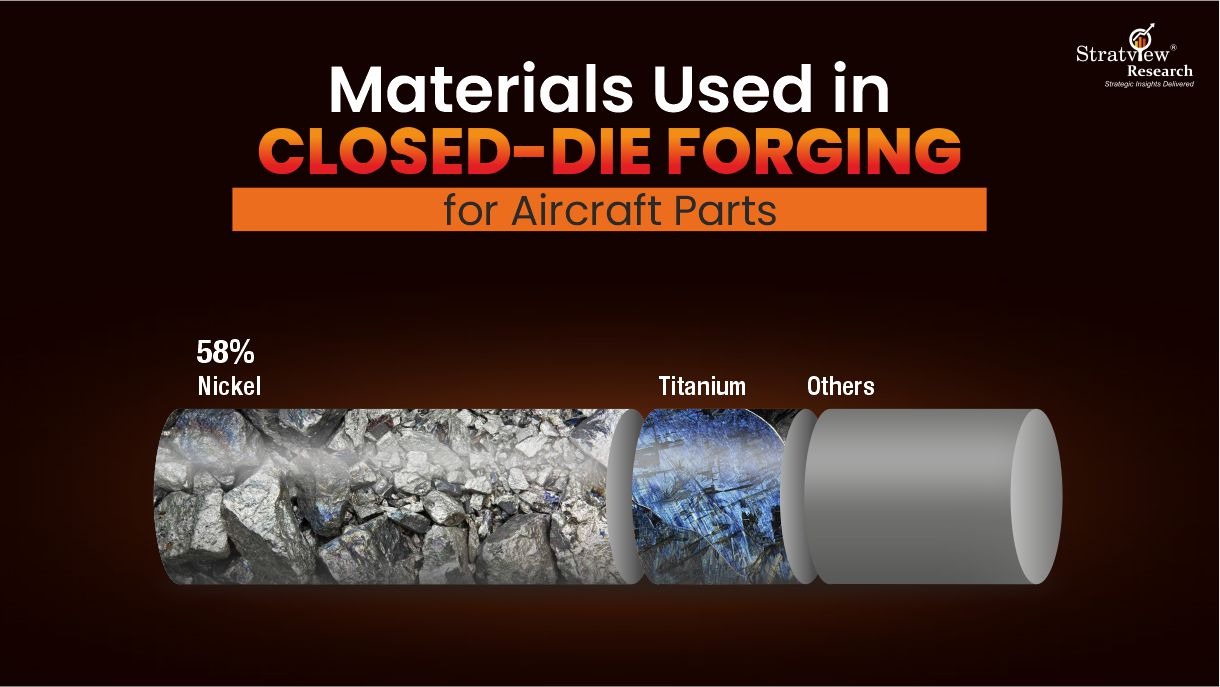
Fig.3. The Materials Used in Aerospace Closed-Die Forging for Aircraft Components
Titanium alloys, on the other side, anchor structural and load-bearing applications where weight reduction without sacrificing strength is paramount. Approximately 50% of global titanium production is consumed by aerospace, most notably, the Boeing 787 integrates >15% titanium content in its structure.
Closed-die forged components made using titanium include brake rods, window frames, engine pylon parts, wing box structures, and door fittings. Alloys such as Ti-6Al-4V, widely regarded for its reliability and balanced strength-to-weight ratio, dominate fuselage and structural forgings. Higher-strength variants like Ti-10V-2Fe-3Al are deployed in critical landing gear components on the Boeing 777 and are under consideration for large forged transmission elements in the Airbus A380’s main landing gear system. In short, titanium remains indispensable for lightweight structural forgings.
Industrial Geography of Aircraft Closed-Die Forging
North America (NA) continues to anchor the aircraft closed-die forging market with >50% of the total share and is expected to retain its leadership position through 2033.
The region’s strength stems from the United States, a global aerospace powerhouse hosting six of the world’s top ten aerospace companies. Industry leaders such as Honeywell, Boeing, Raytheon Technologies, Lockheed Martin, and Northrop Grumman hold a deeply integrated manufacturing and defense ecosystem, reinforcing NA’s dominance in OEM aircraft production. This ecosystem creates steady, program-driven demand for high-performance forged components across engines, landing gear systems, and structural assemblies.
Europe follows with a significant share of the total market, supported by its established aerospace manufacturing base. Meanwhile, Asia-Pacific is positioned as the fastest-growing region, driven by expanding industrial capabilities, rising aircraft production, and increasing investment in aviation infrastructure.
Future Outlook – Closed-Die Forging in the Next Build Cycle
Modern aircraft programs require structurally superior, fatigue-resistant, and dimensionally precise components that alternative manufacturing routes struggle to deliver at scale. Closed-die forging remains the backbone of component manufacturing across commercial aircraft, regional jets, helicopters, military platforms, and general aviation, with commercial aircraft accounting for the largest share of demand. The rebound in global air passenger traffic has triggered production rate increases across key programs.
As per the International Air Transport Association (IATA), the total full-year demand in 2025 (measured in revenue passenger kilometers or RPKs) rose 5.3% compared to 2024, with total traffic crossing 9.8 billion in 2025. For 2026, they forecast a 4.9% YoY growth in passenger traffic.
At the same time, new entrants such as COMAC and Irkut are expanding the competitive landscape, while established OEMs are introducing more fuel-efficient variants that rely heavily on high-performance forged engine and structural parts.
Fleet expansion is another structural driver. Boeing and Airbus project deliveries exceeding 40,000 aircraft over the next two decades, signalling sustained production momentum.
Closed-die forging aligns perfectly with this trajectory: it delivers repeatability, optimized grain flow, and mechanical reliability for high-load engine, landing gear, and structural applications.
As aircraft production accelerates to meet rising fleet demand and next-generation efficiency targets, closed-die forging will remain central to delivering the strength and precision modern platforms require. The global aircraft closed-die forged market that was valued at <20 bn USD in in 2025, is expected to cross US$ 23 billion by 2032, reflecting steady, long-term momentum. With performance standards tightening and build rates increasing, closed-die forging is set to play an even greater role in shaping the future of aerospace manufacturing.
Subscribe to our newsletter
Related Articles:
.jpg)
Forging the Future of Aerospace – The Open-die method
Didn’t find what you were looking for?
Tell us about your requirements
(Our team usually responds within a few hours)