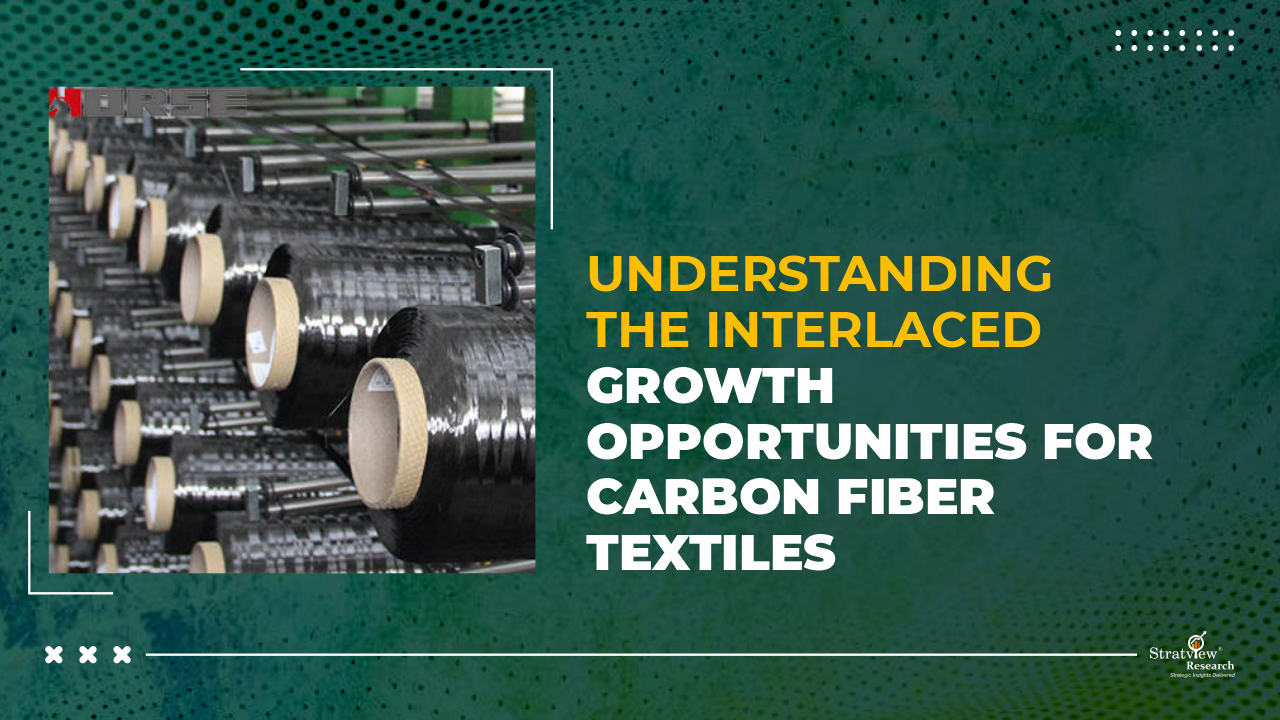
Carbon fiber textiles are driving lightweight innovation across wind, automotive, and aerospace industries with superior strength-to-weight performance. Wind energy leads demand, followed by growing automotive production and rising aircraft deliveries. With global demand projected to reach 85 million lbs by 2030, Asia-Pacific dominates growth. However, material shortages and low recycling rates highlight the urgent need for circularity and sustainable production practices.
When one hears the term ‘textile’, the first picture that gets painted in anyone’s mind is probably that of a clothing fabric. But add the term ‘technical’ to it, and it becomes a class of materials that finds its application in anything from filtration of fluids to stopping bullets.
While some technical textiles are known for their flexibility and breathability, like parachute fabric; there are others that exhibit strength and stiffness that surpass metals, at only a fraction of their weight. One such textile is carbon fiber (CF), which has been helping industries like the wind, aerospace, and automotive, achieve their light-weighting targets, without compromising on the performance front, ever since its entry into the industry around the late 1960s.
Carbon fiber, though available in other forms like chopped fiber, milled fiber, rovings, etc., is ideally used in the fabric form (with resin) when the end product requires lightweighting with excellent mechanical properties, but has a complex shape.
Based on the level of complexity of the design and the intended application, textiles (or mats) with different weave patterns are available, among which, plain, twill, and satin are popular. The following table shows the drapability and structural retention properties of the general weave patterns.
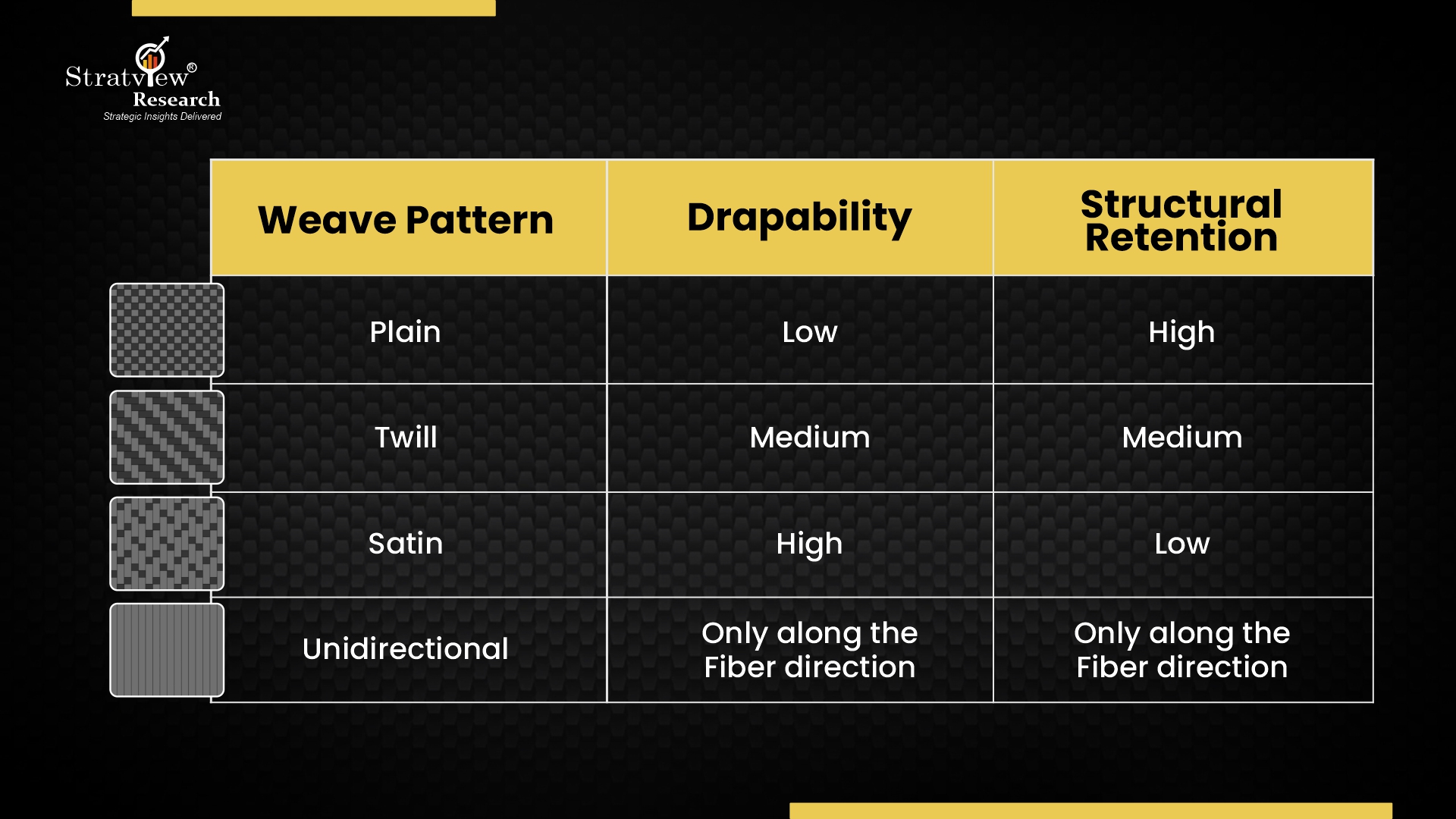
Table 1: High-level Comparison of the General Weave Patterns
Plain weave patterns offer high strength but do not conform to complex contours well. The vice versa is true for satin weaves. Hence, the twill weaves (and that too a 2x2), offering the best balance between drapability and structural retention, are the most commonly used fabric types across different industries.
The applications of CF textiles are wide and range from sports rackets which are less than an arm’s length, to primary aircraft structural components that are several meters long.
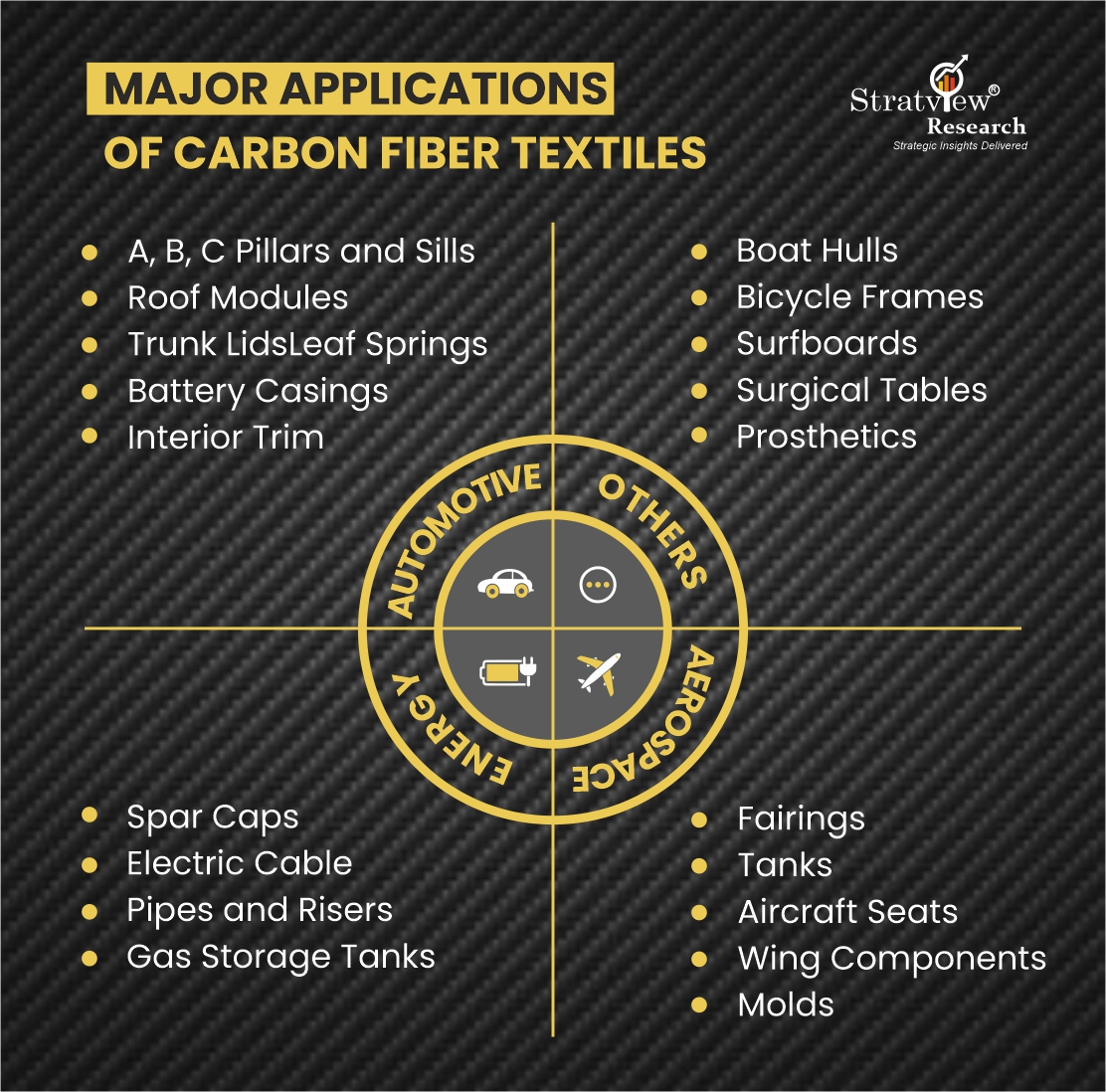
Fig 1. Major Applications of Carbon Fiber Textiles Across Automotive, Aerospace, Energy, and Industrial Sectors
The Multi-layered Opportunities:
The increasing need for CF textiles in the wind industry is primarily being driven by the increasing size of turbine blades. With the continuous increase in wind energy capacity globally, the average diameter of an onshore wind turbine has increased from 126 meters (5 MW) in 2010, to 220 meters (10 MW) in 2023. For offshore turbines too, an increase of similar proportions has been observed.
For the majority of blade manufacturers, the penetration of CF is currently limited to spar caps only, and only a handful of players like Vestas Wind Systems and GE Wind have used it for other blade components. Incorporating CF spar caps alone makes turbine blades ~25% lighter as compared to the traditional glass fiber and also provides the necessary stiffness that is required in longer blades. <30% of the currently installed global wind capacity uses CF spar caps according to a study and the share of CF spar caps varies largely with the length of the blade. ~10% of the installed < 50-metre length blades are said to have CF spar caps but for >= 70-metre length blades, the share of CF spar caps is ~60%.
Though the current overall percentage of turbines that incorporate CF spar caps is low, the demand for CF textiles from the wind energy sector is still going to be huge since according to GWEC, ~791 GW of new capacity is likely to be added in the next five years globally, which translates to ~43,000 installations and most of which will be 220-280 meters in diameter (10-18 MW) each.
The automotive industry too, with a varied application portfolio of CF textiles stretching from exterior components like roof modules to auxiliary internal structures like battery casings, and with an annual growth rate of 2-3% in vehicle sales, is expected to produce 90 million+ units from 2025 onwards, and thus acting as another huge source of demand for CF textiles.
A similar scenario can be seen in the aerospace industry as well, where giants like Airbus have anticipated a global demand of ~42,000 aircraft in the next 20 years. Fairings, seats, wing components, and molds comprise some of the ideal applications of CF textiles in aerospace. Additionally, almost all modern commercial aircraft models comprise at least 50% composite material by weight, and thus an increase in the fleet size will naturally generate a huge demand for CF textiles. It must also be noted that in terms of value, the aerospace industry is the biggest market for CF textiles despite a lower demand than wind since aerospace-grade CF is the costliest.
With all the top three demand-generating industries observing a positive trend, combined with additional demand from industries like sporting goods, construction, marine, etc.; a demand for ~85 million lbs of CF textiles is expected to be generated globally in 2030 according to a report from Stratview Research.
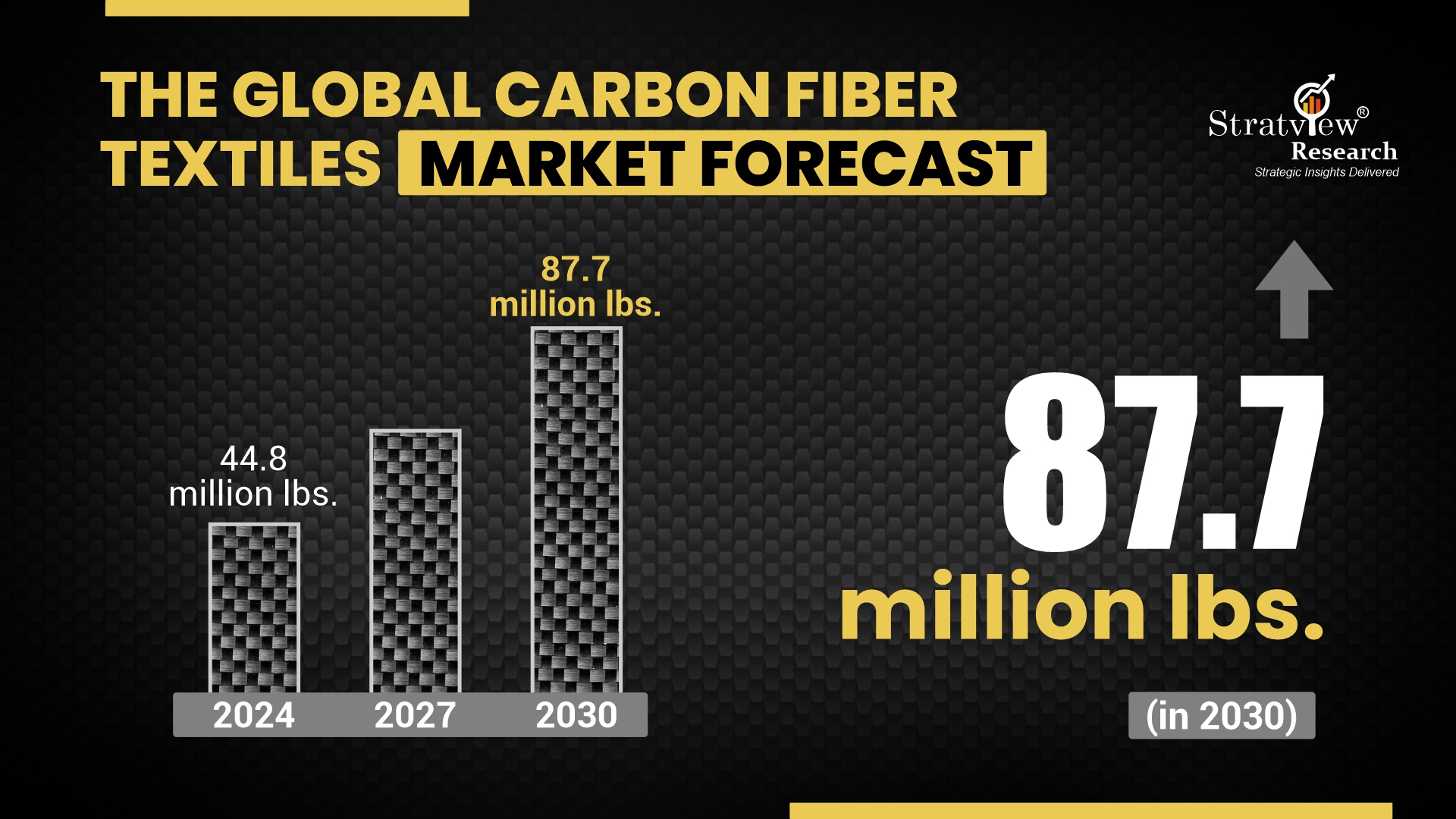
Fig 2. Global Carbon Fiber Textiles Market Set to Reach 87.7 Million Lbs by 2030
Of the expected 43,000 aircraft deliveries by 2043, ~9,000 units are expected to be delivered to the PRC alone, and of the projected onshore wind power installations over the next 5 years, ~50% of the capacity is expected to be installed in the People’s Republic of China. Not to mention, in terms of automobile production, the PRC already is at the top. Thus, it can be safely concluded that the majority of the global demand for CF textiles in the next 5 years will be concentrated around the APAC region, with Europe being the second in line, mainly driven by its high-volume wind capacity installations.
A Crimp-Free Future?
As fabrics continue to find applications in more stress-intensive environments, the performance expectations will also increase eventually and a transition will slowly be made towards fabrics that can exhibit load tolerance in multiple directions.
The solution already exists in the form of multiaxial or non-crimp fabrics but the adoption pace is currently slow since the need to make a material switch is not immediate in any application.
The demand for CF textiles will be ceaseless since across all the industries that currently incorporate composites, the penetration is expected to increase further only. Since a sufficient visible demand is already in place, the next big goal for the industry should be to overcome the ‘carbon fiber shortage’ that the entire industry has been anticipating. Another big concern for the industry at this point should be to attain circularity of materials since as the demand increases, so will the waste produced during production.
It is estimated that 30% of the material gets wasted during composite part fabrication and employing recycling methods at this point, could solve both the circularity as well as the anticipated shortage issue. According to a recent report, ~40 kilotons of CF waste will come out of factories globally, by the end of 2024, and less than 20% of that waste gets recycled.
Thus, while the demand for CF textiles is expected to maintain an upward trajectory for at least the next decade, the industry must prioritize achieving circularity by implementing effective recycling methods and address both the material shortage and the waste management challenges that will inevitably arise with increased production.
Authored by Stratview Research. Also published on – Composights
Subscribe to our newsletter
Related Articles:

Battery Technology Gains Ground in the Race to Decarbonize Rail
Didn’t find what you were looking for?
Tell us about your requirements
(Our team usually responds within a few hours)