EV mergers and acquisition activity in August 2026 extended across electric two-wheelers, commercial EVs, fleet software, charging infrastructure, energy management, and EV powertrain technology. The selected transactions show companies using M&A to strengthen specific positions across the electrification value chain, from established EV platforms and commercial-market access to software, charging, powertrain technology, and regional capabilities.
Rather than focusing solely on production scale or market presence, these deals point to a more targeted approach to acquiring capabilities that can strengthen positions across specific segments of the EV ecosystem.
$184 Million Share Purchase Raises Hero MotoCorp’s Ather Stake to 32.8%
On August 27, Hero MotoCorp announced plans to acquire additional shares in Ather Energy for up to ₹17.58 billion ($184 million), increasing its stake from 29.88% to 32.8%. The purchase was subsequently executed through a block deal on August 28.
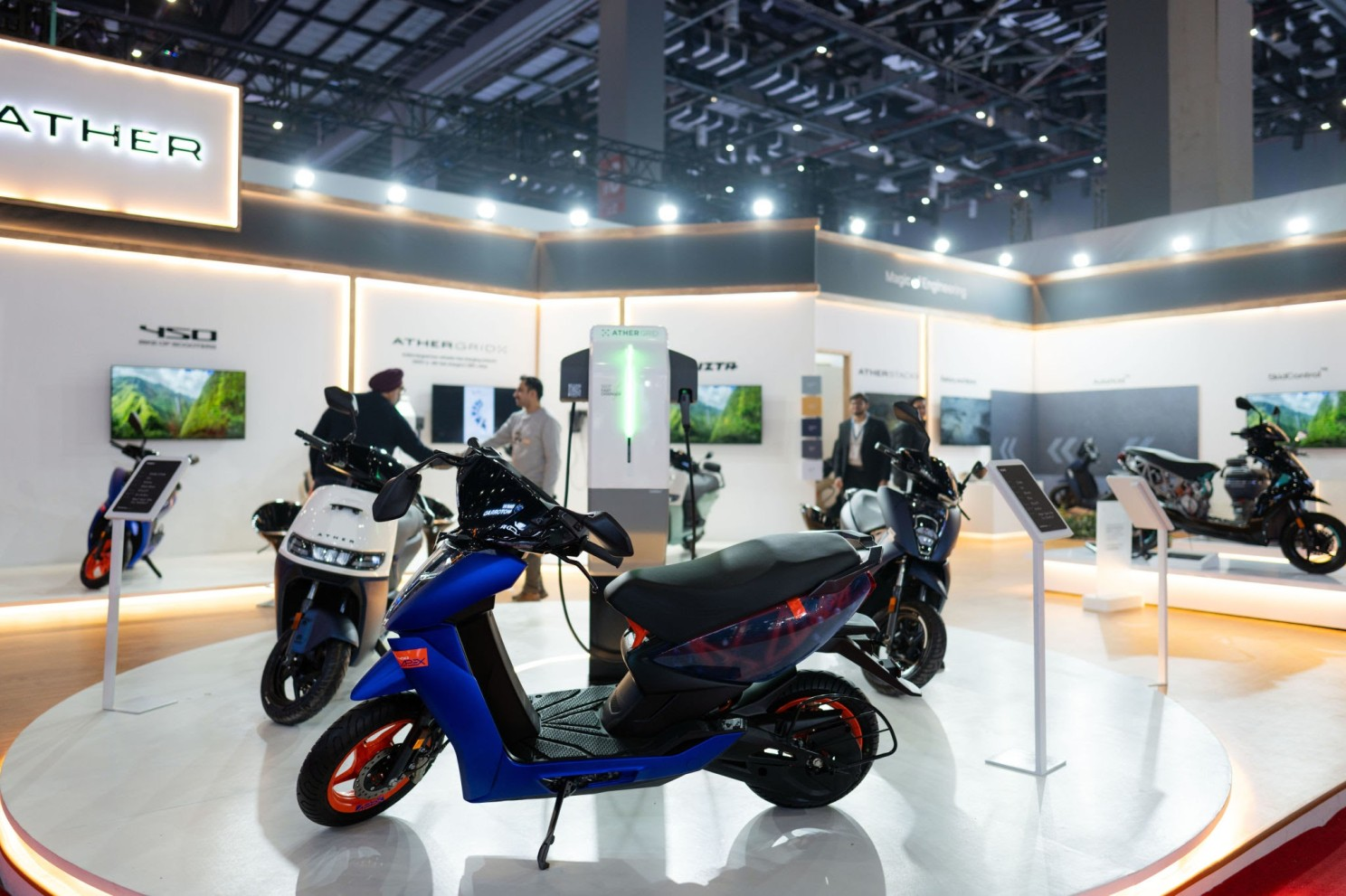
Ather Energy two-wheeler platform. Source: Bloomberg
The transaction deepens Hero MotoCorp’s ownership in Ather, an established electric two-wheeler player in India, strengthening its exposure to an existing EV platform without acquiring the company outright.
100% Thai EV Acquisition Expands NEX Point’s Commercial EV Portfolio
On August 3, NEX Point shareholders approved the acquisition of 100% of Thai EV Company, which would make Thai EV a wholly owned subsidiary upon completion. The transaction involves consideration of approximately THB 149.95 million.
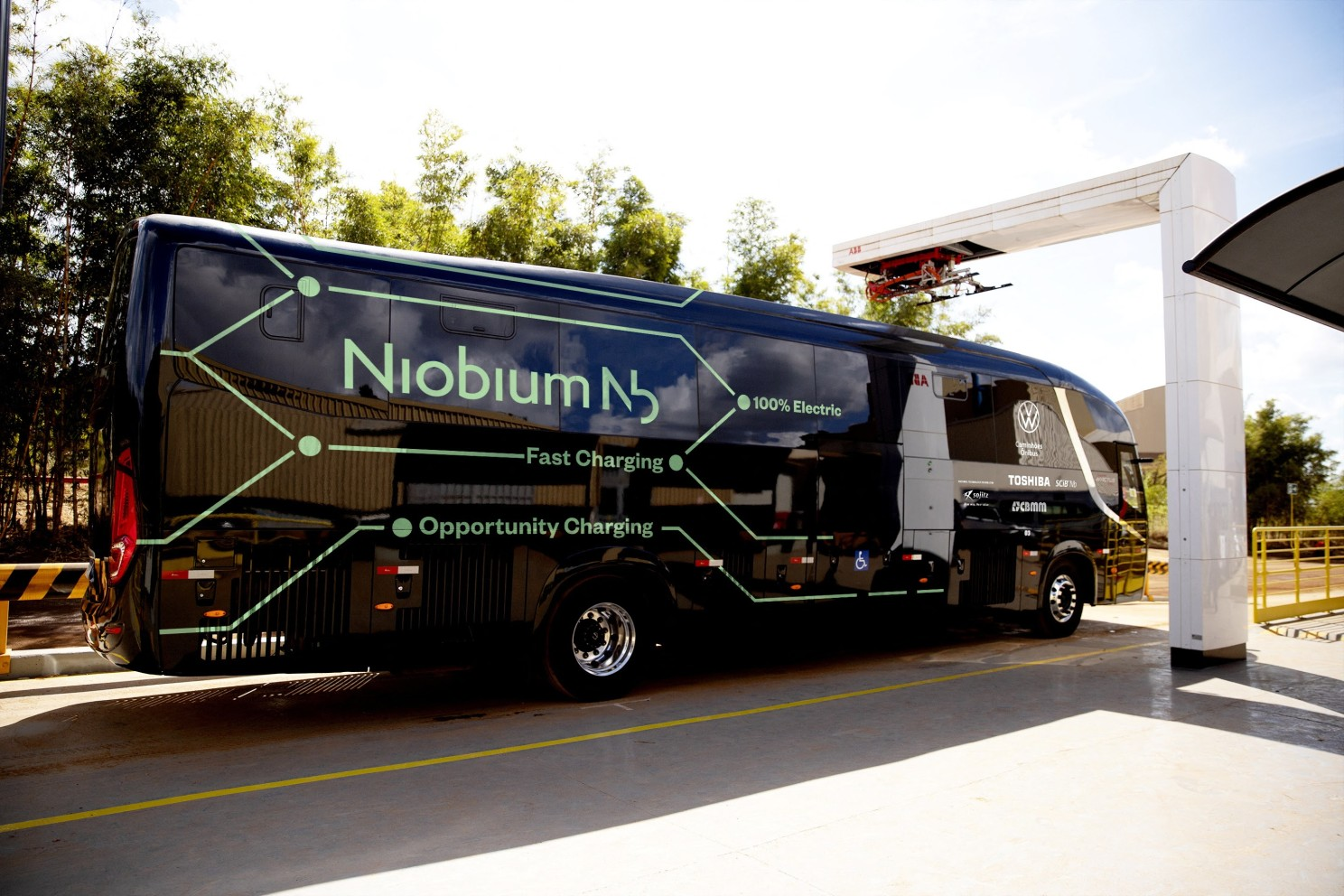
NEX Point commercial EV portfolio. Source: CBMM
Thai EV brings an established commercial EV business, sales presence, and customer base serving logistics operators, businesses, and institutional customers. The acquisition strengthens NEX Point’s access to the commercial EV market through an existing operating platform.
1.2 Million Vehicles Strengthen Vontier’s Fleet and EV Software Reach
On August 6, Vontier announced the acquisition of EKOS, a cloud-connected fleet, fuel, and EV management software provider supporting more than 1.2 million vehicles across the U.S. Its platform integrates fuel management, fleet assets, fuel-card controls, site monitoring, and EV charging infrastructure.
Courtesy of Stratview Research
The acquisition builds on Vontier’s existing relationship with EKOS and expands its software capabilities across fleets managing both conventional and electric energy sources. Its EV relevance is concentrated in the fleet-management and software layer, rather than physical charging infrastructure.
10-Year Customer Relationships Strengthen PowerFlex’s Fleet Charging Platform
On August 6, PowerFlex announced the acquisition of The Mobility House North America through a share-exchange transaction, with The Mobility House becoming a minority shareholder in the combined business.
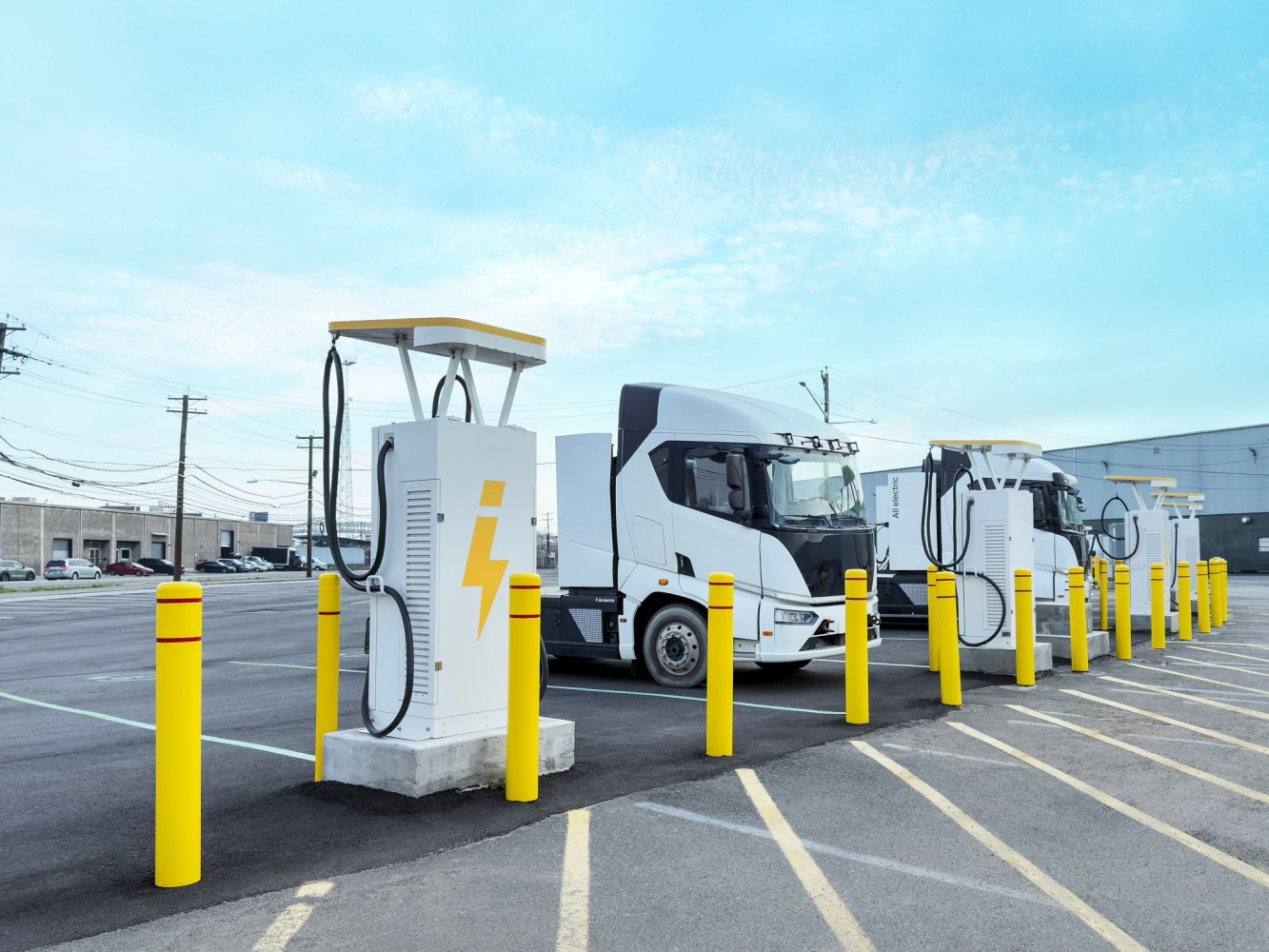
PowerFlex commercial fleet charging station. Source: gerenme
The Mobility House North America brings 10 years of customer relationships and expertise in fleet electrification, transit and school bus fleets, bidirectional charging, and V2G integration. Combined with PowerFlex’s charging, energy management, solar, storage, and engineering capabilities, the transaction expands the company’s position across fleet charging and energy management.
EV Powertrain Acquisition Expands Electrogenic’s U.S. Technology Base
On August 10, Electrogenic acquired the TREMEC Electric GT business, gaining a permanent base in Huntington Beach, California. TREMEC Electric GT provides turnkey EV powertrain and e-Crate conversion solutions, while Electrogenic contributes proprietary powertrain software and control systems.
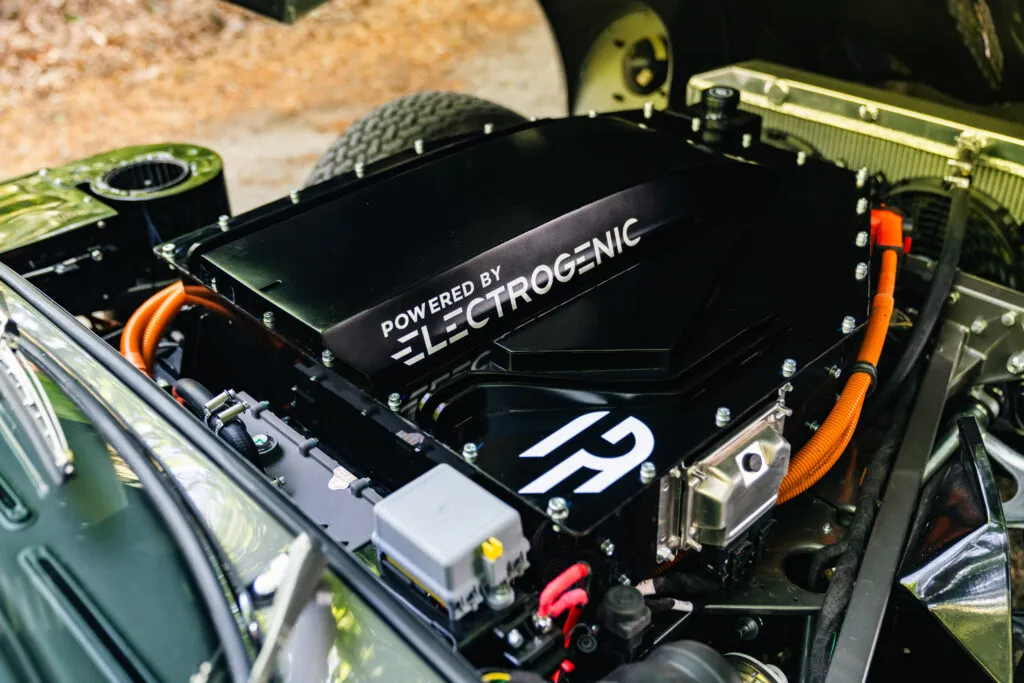
Courtesy of Electric & Hybrid Vehicle Technology International
The acquisition combines complementary hardware and software capabilities while adding U.S. manufacturing, service, and partner support to Electrogenic’s EV technology business.
What August 2026 M&A Activity Reveals About EV Priorities
These selected transactions point to a broader approach to EV-related M&A, with companies targeting specific capabilities across the electrification value chain.
The August deals span EV platform ownership, commercial-market access, fleet software, charging and energy management, V2G integration, and EV powertrain technology. The common thread is the capability each transaction adds to the acquiring company. Taken together, the transactions show that EV M&A is extending beyond vehicle and production scale to include technology, software, infrastructure, customer access, and regional capabilities.
For companies across the EV value chain, M&A can provide a targeted route to capabilities that may take longer to develop organically, making capability depth alongside scale an important consideration in EV-related dealmaking.
Subscribe to our newsletter
Related Blogs:
How Battery Enclosure Design Influences EV Range?
Toyota Accelerates Hybrid Vehicle Growth After Key Investments in November 2025
Didn’t find what you were looking for?
Tell us about your requirements
(Our team usually responds within a few hours)