.jpg "A Closer Look at Key Developments in EV Battery Technology in September 2026")
The EV battery industry is moving beyond the simple question of how much energy a battery can store. The focus is now expanding across the battery value chain, from recycling and material recovery to smarter battery architectures, alternative chemistries, and large-scale manufacturing. September 2026 brought several developments that highlight how companies are addressing battery performance, resource efficiency, production scalability, and regional supply chains.
Here are five EV battery developments that stood out this month.
GM Closes the Loop on EV Battery Recycling
General Motors and its partners completed a closed-loop battery recycling pilot that puts materials from old EV batteries back into new ones. The program processed 80 end-of-life GM EV batteries, which were recycled into “black mass” and further refined into more than 12 metric tons of cathode active material. The material contained 100% recycled nickel, cobalt, and manganese and was validated against the quality, safety, and performance standards required for use in EV batteries.
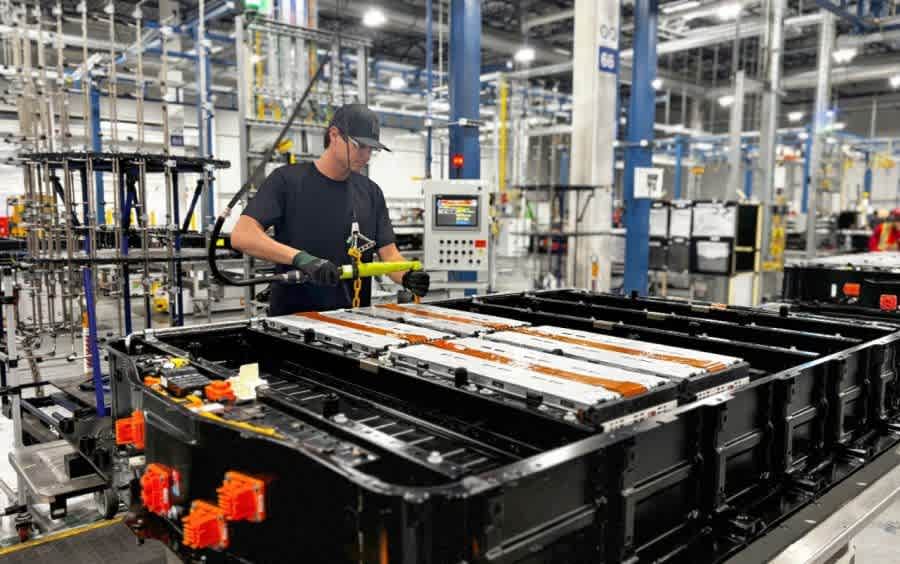
Image Courtesy of General Motors
The pilot demonstrates how critical materials recovered from end-of-life batteries can be refined to battery-grade quality and reintroduced into the EV battery supply chain, helping support more efficient resource use and greater circularity as EV battery volumes grow..
Leapmotor Introduces a Battery Without a Separate 12V Unit
At its 2026 Tech Day, Leapmotor unveiled its CTC 3.0 High-Low Fusion Battery, an evolution of its cell-to-chassis technology. The system combines high- and low-voltage functions within the battery architecture, eliminating the need for a separate traditional 12-volt battery.
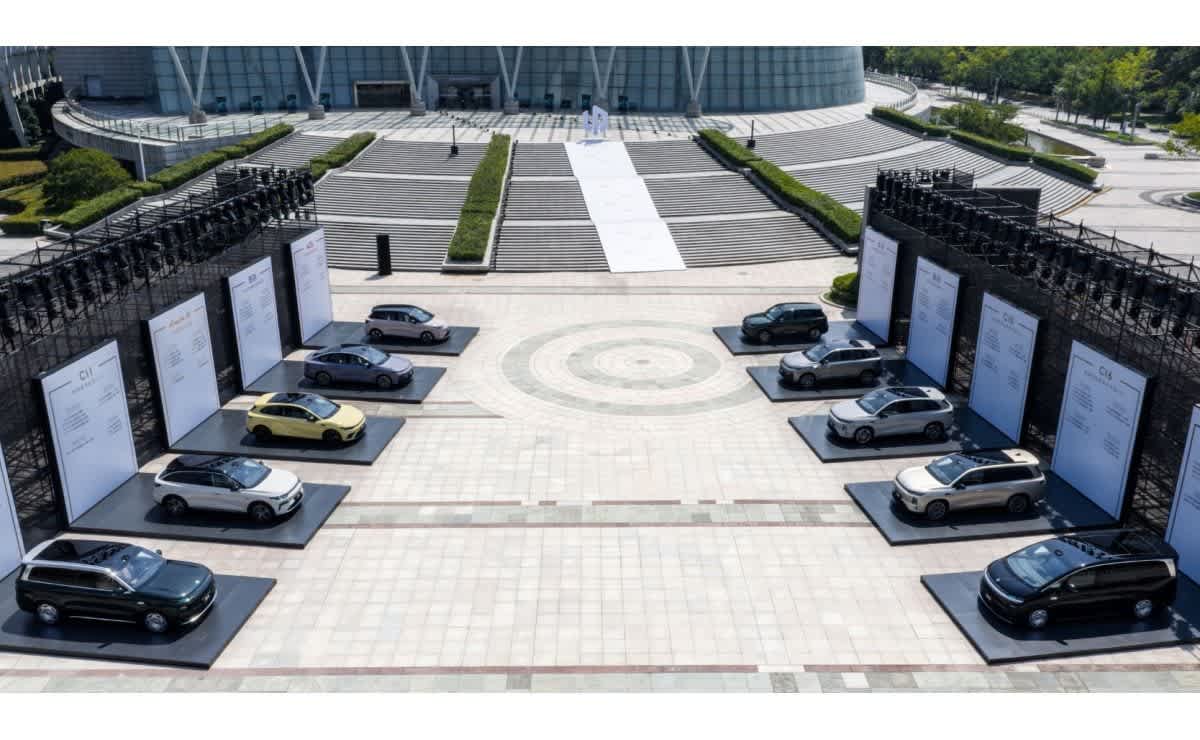
Image Courtesy of Stellantis
Leapmotor says the new system delivers a seven-fold increase in low-voltage functionality compared with the previous generation. The technology is intended for its next-generation vehicles beginning in 2027.
The significance is less about adding another battery and more about integrating functions into the main battery system, potentially simplifying the vehicle's electrical architecture.
Maxvolt Energy Breaks Ground on a 10 GWh Battery Plant
India's EV battery manufacturing landscape also saw a major investment this month. Maxvolt Energy broke ground on a ₹700-crore battery manufacturing facility in Aligarh, Uttar Pradesh. The plant will be developed in two 5 GWh phases, giving it a planned annual capacity of 10 GWh.
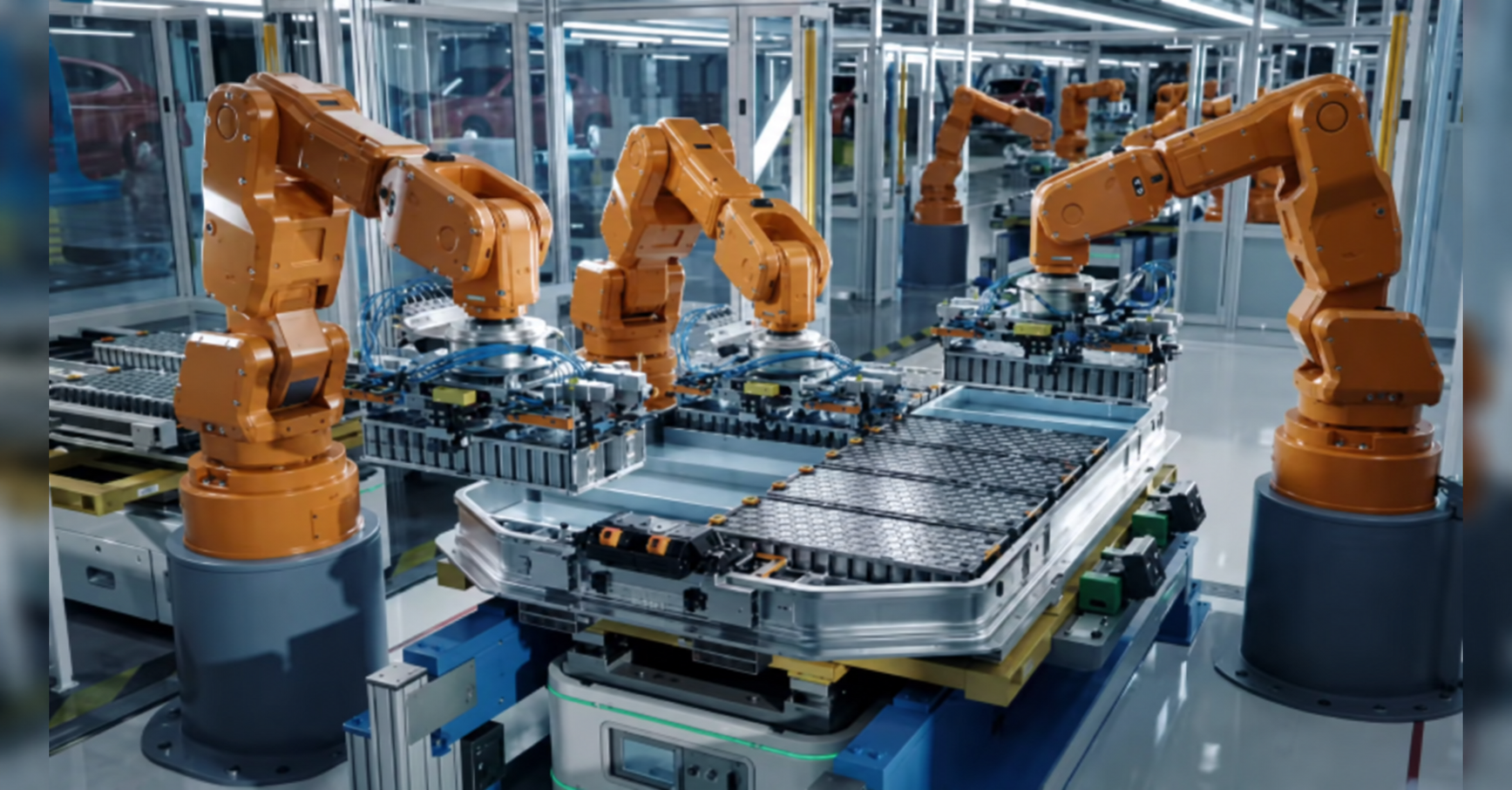
The facility will also include dedicated OEM production lines and marks Maxvolt's entry into four-wheeler EV batteries, expanding beyond its existing two- and three-wheeler portfolio.
The project strengthens domestic battery production while positioning the company to serve India’s growing demand for electric mobility.
Sodium-ion Batteries Move Closer to Industrialization
Clarios, Altris, and InoBat announced further progress in sodium-ion battery technology for low-voltage and high-power automotive, commercial-vehicle, and off-highway applications. Recent validation demonstrated cold-cranking performance down to −40°C, while the partners are now moving toward pilot-scale learning and small-series production readiness. The sodium-ion chemistry being developed by Altris uses a cathode material containing no lithium, nickel, or cobalt.
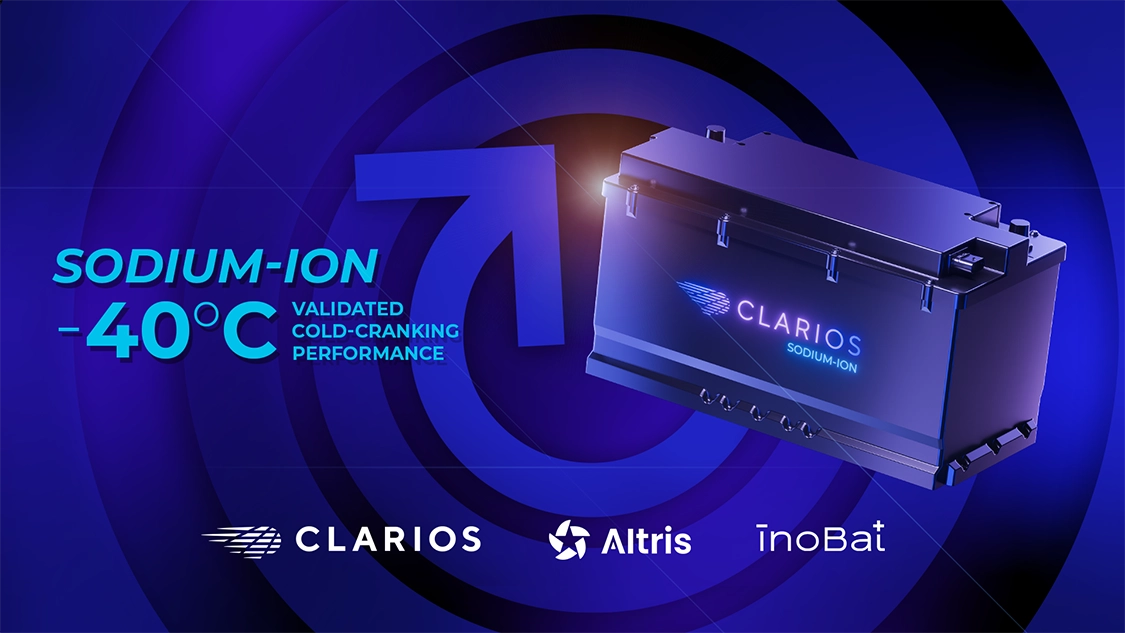
Image Courtesy of Clarios
By combining Altris’ sodium-ion expertise, Clarios’ battery-system capabilities, and InoBat’s cell-development and manufacturing know-how, the collaboration is advancing the technology toward industrialization for future low-voltage and high-power applications.
CATL Starts Trial Production in Hungary
CATL has started trial production of battery cells at its newly built facility in Debrecen, Hungary, marking a major step toward series production. The plant was announced in 2022, construction of the first cell-building began in summer 2023, and advanced production technology was installed by spring 2026. Following the occupancy permit in August 2026, CATL began trial operations on the facility’s first two production lines on September 22, 2026. The trial phase is being used to optimise equipment and validate manufacturing processes before series production begins.
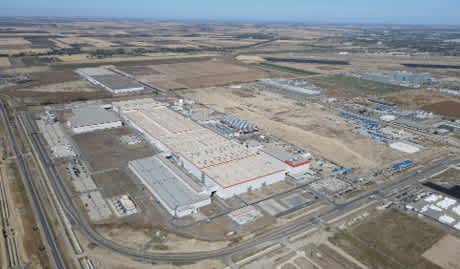
Image Courtesy of CATL
The facility is planned for 100 GWh of annual capacity and is expected to become CATL's largest manufacturing base outside China once fully operational.
The facility strengthens CATL's manufacturing presence in Europe and is designed to supply leading automakers that have established significant EV production capacity in Hungary.
What Lies Ahead
For the EV industry, battery progress is no longer confined to improving range or charging speed. Where battery materials come from, how efficiently they can be reused, how the battery is integrated into the vehicle, and where cells are manufactured are becoming equally important. September’s developments show how these pieces are gradually being addressed across the industry. As EV production scales, such advances could help manufacturers build battery supply chains that are more resilient, resource-efficient, and better aligned with the needs of regional markets.