Putting composites into new applications is only one part of the growth story. To move from increasing adoption to large-scale production, the industry needs manufacturing infrastructure that can keep pace. That means larger facilities, specialized equipment, integrated operations, and skilled teams. August 2026 brought several notable investments in this direction, with companies across aerospace, space, satellite, and infrastructure expanding their capabilities to support the next phase of composite production.
Here’s a closer look at five investments driving this capacity expansion.
ATC Manufacturing: Scaling Thermoplastic Aerospace Composites
ATC Manufacturing has broken ground on a 57,635-square-foot expansion of its facility in Post Falls, Idaho. The expansion follows the company's contract with the U.S. Air Force Research Laboratory (AFRL) for large-scale, high-rate thermoplastic composite aircraft structures.
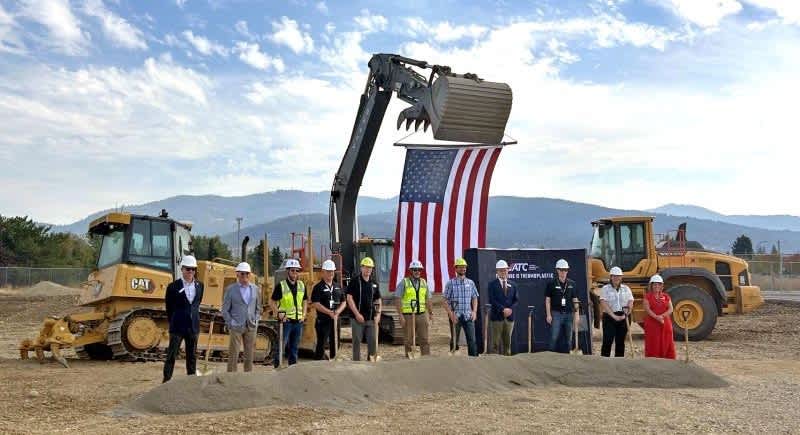
Source: ATC Manufacturing
Expected to be completed by late summer 2027, the expansion will support growing demand from commercial and defense aerospace customers for lightweight composite structures. ATC also plans to hire dozens of engineers, technicians, and skilled tradespeople, strengthening its position as one of the larger thermoplastic composite aerospace manufacturing centers in the U.S.
Airbus: Expanding A220 Composite Wing Capacity
Airbus has started construction on a 6,221-square-meter extension at its Belfast wing manufacturing facility in Northern Ireland. Scheduled for completion in the first half of 2028, the expansion will add a third autoclave, specialized wing tooling, and additional cranage to support the A220 production ramp-up.
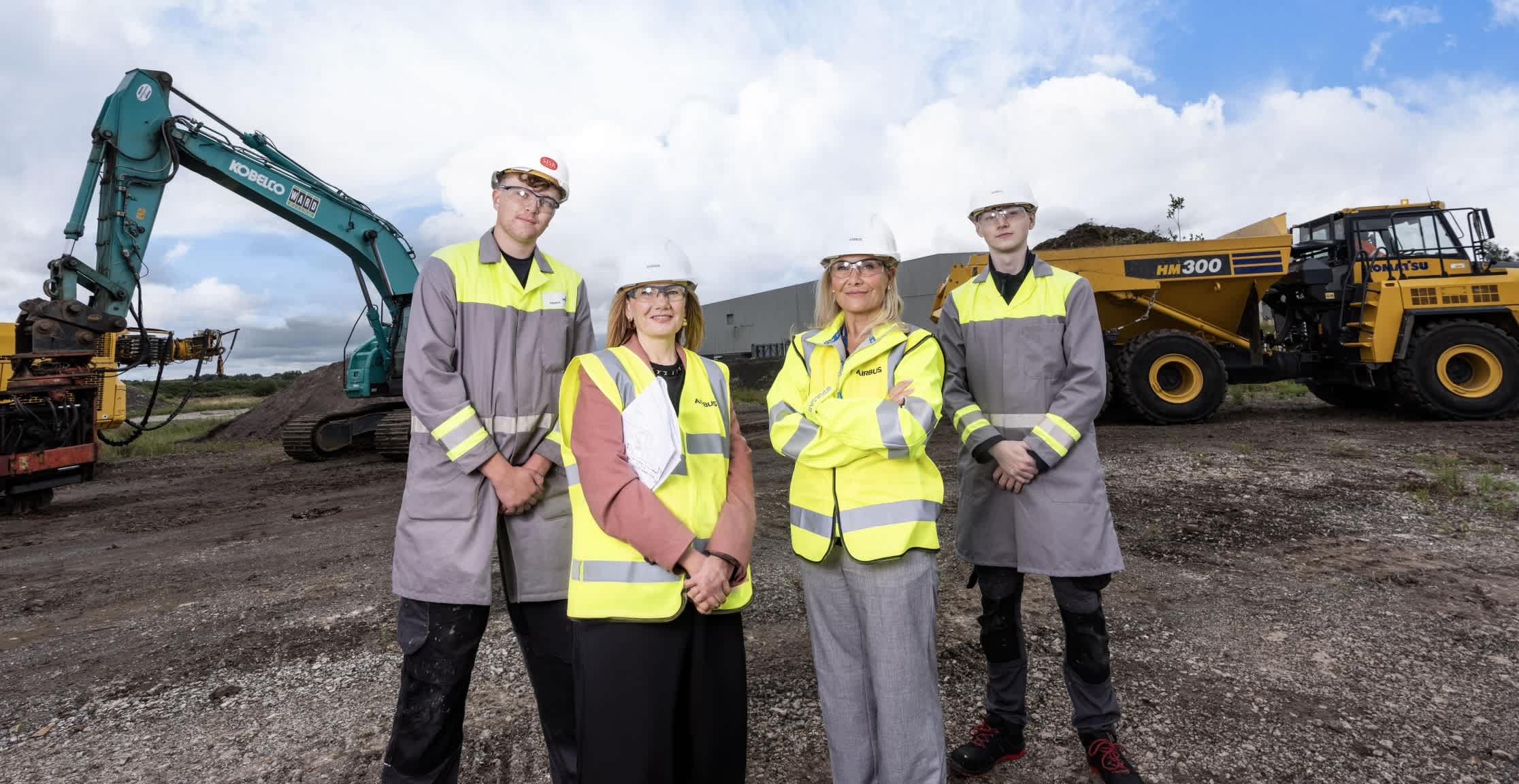
Source: Airbus
The added capacity will help the Belfast site support an A220 production rate of 13 aircraft per month by 2028. As the exclusive global manufacturer of A220 wings, the site uses Airbus’ patented Resin Transfer Infusion (RTI) process to produce the aircraft’s advanced composite wings, making the expansion an important step toward meeting the program’s rising production requirements.
Pilatus: Bringing Composite Development and Production Together
Pilatus has officially opened its new Schwarzhorn advanced composite center in central Switzerland, bringing the development and production of composite components under one roof for the first time. The facility provides workplaces for around 300 employees and represents an investment of CHF 100 million, making it the most expensive facility investment in Pilatus' history. Pilatus has used composites for more than 40 years, initially in secondary structures, and later expanded their use into primary structural components, including load-bearing control surfaces on the PC-24 Super Versatile Jet.
_79390.webp)
Source: Pilatus
The center also incorporates photovoltaic installations, process waste heat, and groundwater for heating and cooling. With a target of LEED Platinum certification, the facility combines expanded composite capabilities with more sustainable operations.
Web Industries: Adding Capacity for Space and Satellite Production
Web Industries is expanding its Denton, Texas facility footprint by 20% to support growing demand from the space launch and satellite manufacturing markets. The expansion will introduce new advanced cutting technologies for high-performance films, fabrics, and composite materials, alongside expanded sewing and assembly capabilities for complex multi-layer soft goods.
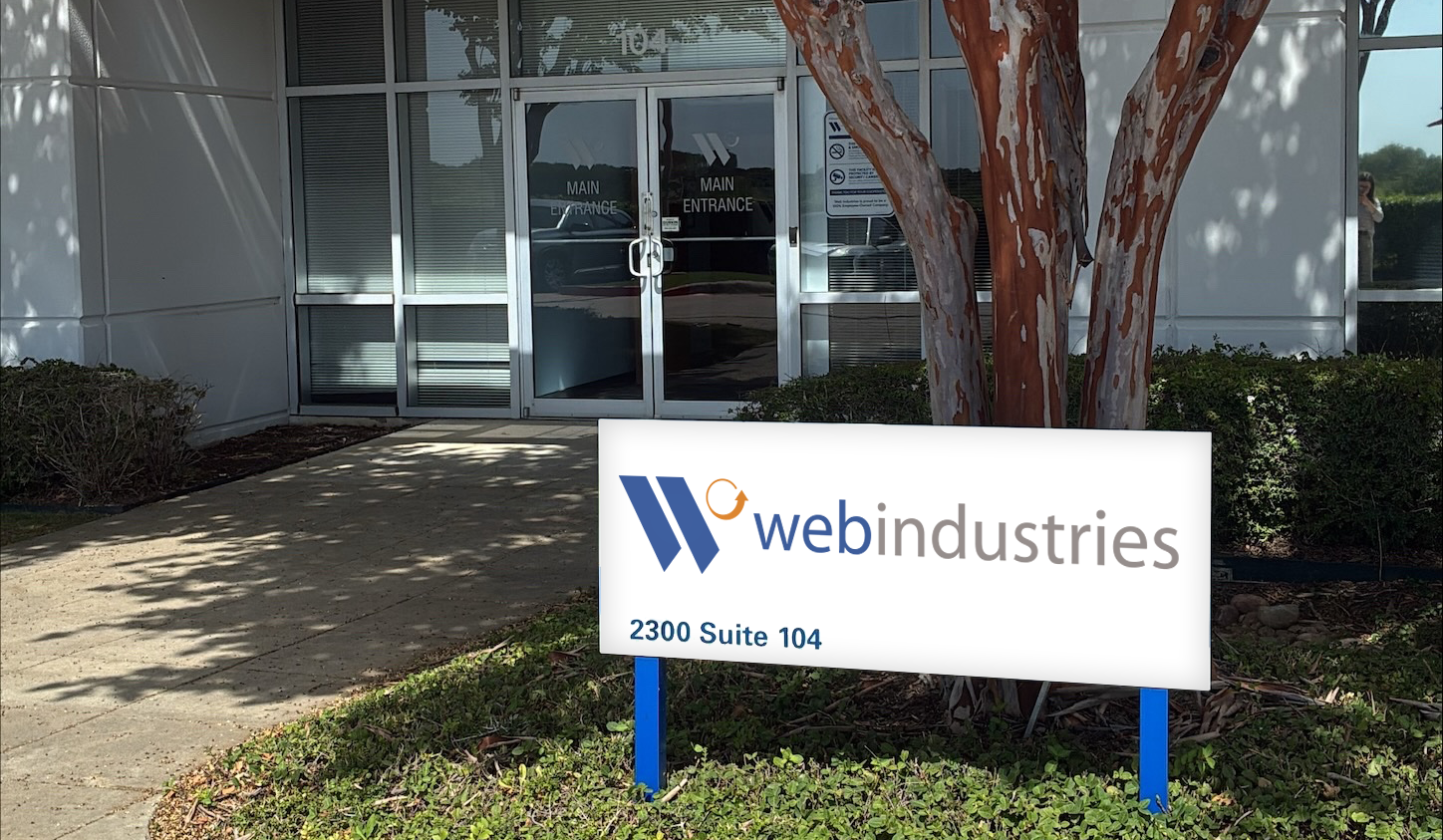
Source: WEB Industries
The added capacity will support products including multilayer insulation (MLI), thermal protection systems, and complex soft goods assemblies used in launch vehicles and satellites. Web Industries expects to increase its Denton production team by approximately 25%, with the expansion scheduled for completion by the end of 2026 and production ramping shortly afterwards.
Pultron: Building Local GFRP Supply in Queensland
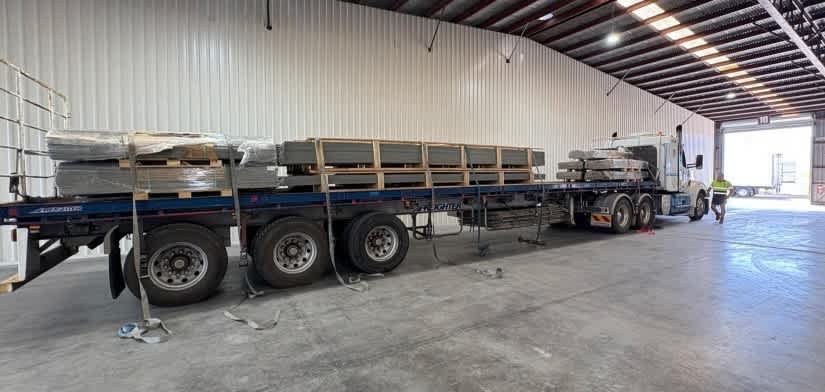
Pultron Composites has opened a new warehouse facility in Geebung, North Brisbane, to meet growing demand for corrosion-free GFRP reinforcement across Queensland’s infrastructure, marine, and construction sectors.
 Source: Pultron
The facility will initially stock Pultron’s Mateenbar™ GFRP rebar, improving product availability and supply efficiency for regional customers. Local manufacturing is also planned for the near future, making the Brisbane facility an important first step in expanding Pultron’s presence and supporting the growing adoption of GFRP reinforcement across Australia.
What These August 2026 Expansions Tell Us
The latest facility investments show that rising demand for advanced composites is translating into real increases in manufacturing capacity across key end markets. Aerospace remains a key driver, while rising space and GFRP demand is opening new opportunities. More than simply adding floor space, companies are investing in specialized equipment, higher production capacity, integrated operations, and skilled teams.
Ultimately, these investments show that scaling advanced composites will depend not only on material innovation, but also on building the manufacturing capacity to produce them at scale.