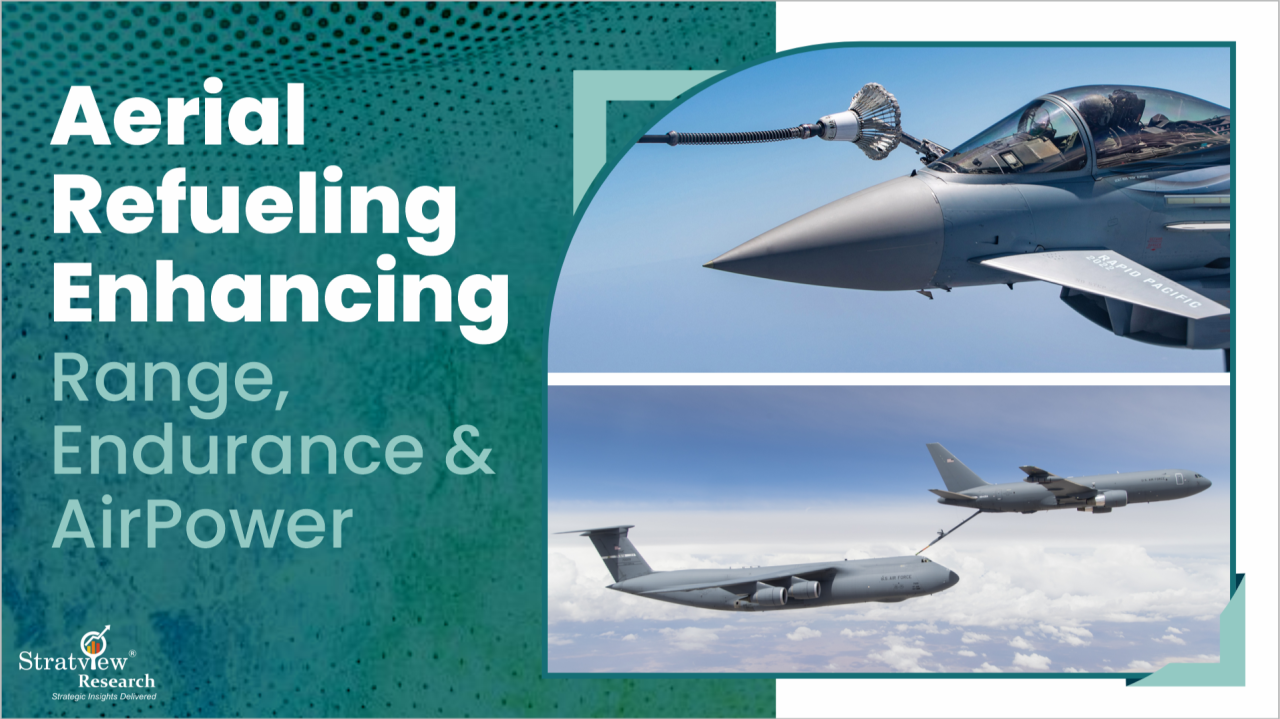
When a modern fighter jet remains on station for six hours or a bomber crosses an entire ocean without touching the runway, it looks like magic. In reality, it is a choreographed, high-stakes ballet performed at 25,000 feet. We often overlook air-to-air refueling (AAR), treating it as a logistical "extra." But history and modern geopolitics tell a different story: AAR is the single most important force multiplier in the sky.
The Lessons of Vietnam from Survival to Strategy
The true value of a tanker isn’t measured in gallons; it’s measured in lives. During the Vietnam War, the U.S. Air Force’s "Jolly Green Giant" rescue helicopters (the HH-3 and HH-53) were the only hope for downed pilots deep in North Vietnamese territory.
Early missions were a race against the fuel gauge. If a rescue took too long, the helicopter ran dry. The introduction of the HC-130 tanker changed everything. By providing "gas on the go," these tankers transformed search-and-rescue from a desperate sprint into a sustained marathon. It proved that refueling wasn't just a technical add-on, it was the difference between a pilot coming home or becoming a POW.
Endurance Mechanics: Boom vs. Drogue
As we moved through the Cold War and into the post-9/11 era, the mission shifted from rescue to "persistent presence." To understand the global market today, you have to understand the two ways we move fuel in mid-air.
- The Probe-and-Drogue System: This uses a flexible hose and a "shuttlecock" basket. It is the gold standard for naval aviation and European forces because of its versatility - it can refuel both helicopters and fast-moving jets.
- The Flying Boom: A rigid, operator-controlled pipe used primarily by the U.S. Air Force. While more complex, it allows for much higher fuel transfer rates, which is essential for "thirsty" aircraft like the B-52 or C-5 Galaxy.
According to analysis by Stratview Research, the hose-and-drogue configuration currently holds the largest market share. Its lower integration complexity and compatibility with multi-role tankers like the Airbus A330 MRTT make it a favorite for multinational fleets looking for the most "bang for their buck."
A Mature Market with High Stakes
While the technology is decades old, the business of refueling is far from stagnant. Our market valuations place the global aerial refueling sector at USD 630.5 million in 2024, with a projected climb to USD 801.8 million by 2034.
At a 2.2% CAGR, this isn't a "gold rush" market; it is a "modernization" market. We aren't necessarily building thousands of new tankers; we are replacing the aging icons of the Cold War. The primary engines of this growth include:
- The KC-46 Pegasus Program: The U.S. Air Force’s massive effort to recapitalize its fleet.
- Regional Modernization: Nations like India, Japan, and Australia are realizing that to protect their interests, they need to fly further for longer.
The Asia-Pacific Pivot
While North America remains the heavyweight champion of tanker inventory, the Asia-Pacific region is the one to watch. As tensions rise in the Pacific, "range" has become the most valuable currency in defense. China, South Korea, and Southeast Asian nations are investing heavily in tankers to sustain long-range maritime surveillance and territorial defense over vast oceanic distances.
Bottom Line
From the desperate rescue missions of the 1960s to the strategic "loitering" of modern ISR drones, aerial refueling has evolved from a niche capability into the backbone of global force projection. It allows air forces to bypass the need for vulnerable forward bases and maintain a constant, watchful presence anywhere on the globe.
As mission environments become more dispersed and the "tyranny of distance" looms larger, the tanker will remain the unsung hero of the hangar, proving that in modern warfare, you are only as good as your reach.