Global waste generation is rising at an alarming pace, with billions lacking proper disposal systems. From landfills and waste-to-energy plants to AI-powered sorting and smart collection technologies, nations are racing to modernize solid waste management. As urbanization and consumption grow, sustainable strategies, innovation, and the 5R hierarchy are becoming essential to protect human health, ecosystems, and economic progress worldwide.
Every individual directly impacts the volume of waste generated with their habits, consumption patterns, and economic status. On average, a human contributes 0.75 to 1 kilogram (1.66 - 2.2 pounds) of solid waste per day. And these digits, on an annual and global scale, magnify to show a massive volume of solid waste generated. More than 11 billion tons of solid waste globally, is collected every year, according to the United Nations Environment Programme (UNEP), and fuelled by rising population and consumption, this scale is expected to rise exceptionally.
This is quite alarming, but do you know that more than 3 billion people worldwide still lack access to controlled waste disposal?
Humans generate different types and forms of solid waste, including industrial, municipal, medical, electronic, and other hazardous materials. While all waste streams pose environmental concerns, most alarmingly, unmanaged waste can even lead to fatalities.
The recent landslide, that occurred in August 2024 at a rubbish dump in Kampala – Uganda affected more than 1000 people and tragically resulted in the loss of 35 lives underscoring the urgent need for improved waste management. In low-income countries like Uganda, over 90% of waste is either openly dumped or burned, states the World Bank.
However, irrespective of place, the problem of solid waste looms large, casting a shadow on human health, environmental and financial progress. Solid waste management is no longer an option, but a necessity in this fast-paced world.
Beyond the Trashcan - Types of Solid Waste Management
The dispersal of waste litters ecosystems and dangerous substances from electronic waste, medical or industrial garbage puts a strain on the health of urban residents and the environment. Waste, hence, needs proper management.
Solid waste management (SMW) includes collecting, treating, and disposing of waste in a safe and environmentally responsible manner.
Some waste is collected and deposited in layers in a yard, forming landfills. These landfills are later covered by layers of soil and alternative materials to prevent odors, pests, groundwater contamination, and windblown debris. Since decomposing wastes generate various greenhouse gases like methane (CH4) and other polluting gasses, modern landfills collect these gases and utilize them for energy production in a process called Landfill Gas-to-Energy (LFGTE). Such projects have the potential to reduce landfill greenhouse gas emissions by more than 40%.
Incineration is another method of managing waste by burning it at high temperatures. Waste-to-energy (WtE) plants can reduce garbage volume by more than 85% (states Environmental Investigation Agency- EIA) by turning a huge volume of waste into ash. Presently ~15% of the of global waste collected is burned in WtE plants, 80%. of which are located in developed countries like Japan, France, Germany, and the United States.
Anaerobic Digestion refers to a process of organic waste being decomposed in airtight reactors and transformed into either biogas or digestate, which further is used in manufacturing different byproducts that can be put to use in farming or other operations. Similarly, composting is a way organic waste including food scraps, yard wastes, etc. are treated through the natural decomposition method which results in nutrient-rich compost that can be used as a soil conditioner.
What are the 5Rs and Beyond, in the Solid Waste Management Hierarchy?
The problem with ‘waste’ is – we tend to think of it as ‘out of sight, out of mind’. But unfortunately, unless it is managed properly, it still lingers around in different forms polluting our environment and harming our health.
Though there are different ways to manage waste, the solution in the first place is to minimize waste generation. The top priority is placed on ‘Refuse’ which asks to avoid generating huge amounts of waste. Next is to ‘Reduce’ waste generation gradually, then ‘Re-use’ whichever waste seems to be reusable. ‘Recycling’ and ‘Recovering’ are at the bottom of the hierarchy to promote recycling and recovering materials from processes like incineration and anaerobic digestion.
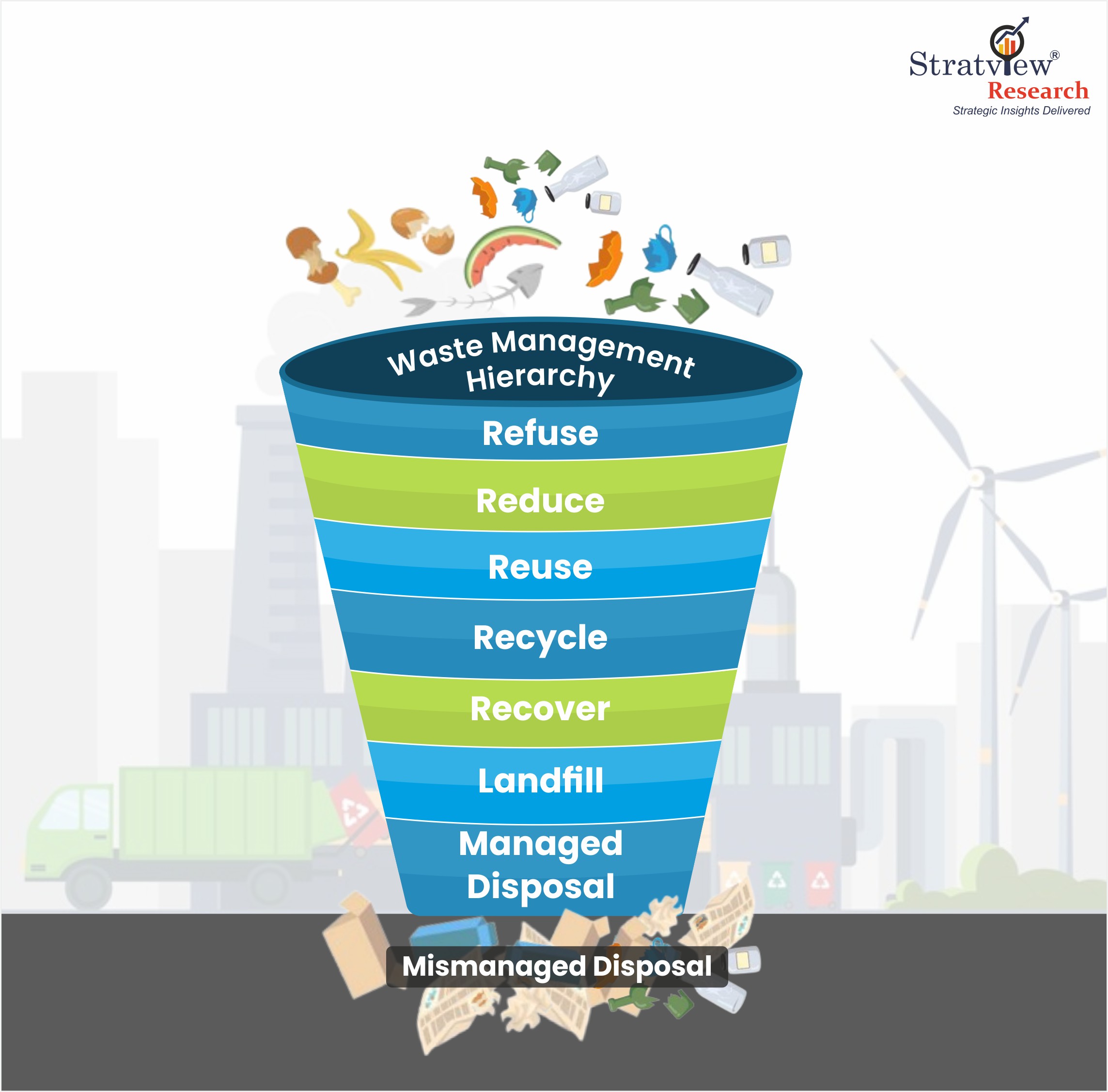
Fig.1. (The Solid Waste Management Hierarchy)
The least preferred option in the waste management hierarchy chart involves landfill, the oldest option which should only be preferred when waste cannot be reused or recycled, since this landfill takes ages before fully decomposing or breaking down with the land.
The Demand for Solid Waste Management Solutions
- The population is growing – from 8.2 billion in 2024 to ~9.7 billion in 2050 (according to the United Nations).
- As many as 217 countries will release 3,153,813 tonnes of microplastics into the world’s waterways by the end of 2024, states a report by Plastic Overshoot Day (POD).
- Production around the world would have to increase to 14,060 trillion crop calories to feed 9.7 billion people in 2050 – a 47% increase from a 2011 baseline – says the U.S. Dept. of Agriculture.
- About 90% of marine debris is plastic. The world produces a whopping 350 million metric tonnes of plastic waste each year.
- The Global Waste Management Outlook – 2024 by the United Nations Environment Programme (UNEP) predicts that the global MSW generation will grow from 2.1 billion tonnes in 2023 to a whopping 3.8 billion tonnes by 2050.
The statistics presented above are some of the reasons driving the increased demand for solid waste management across the globe. The global solid waste management market that valued at about USD 1249 billion in 2022 is likely to grow at a CAGR of >2.6% to register a sales figure of over USD 1470 billion by 2028.
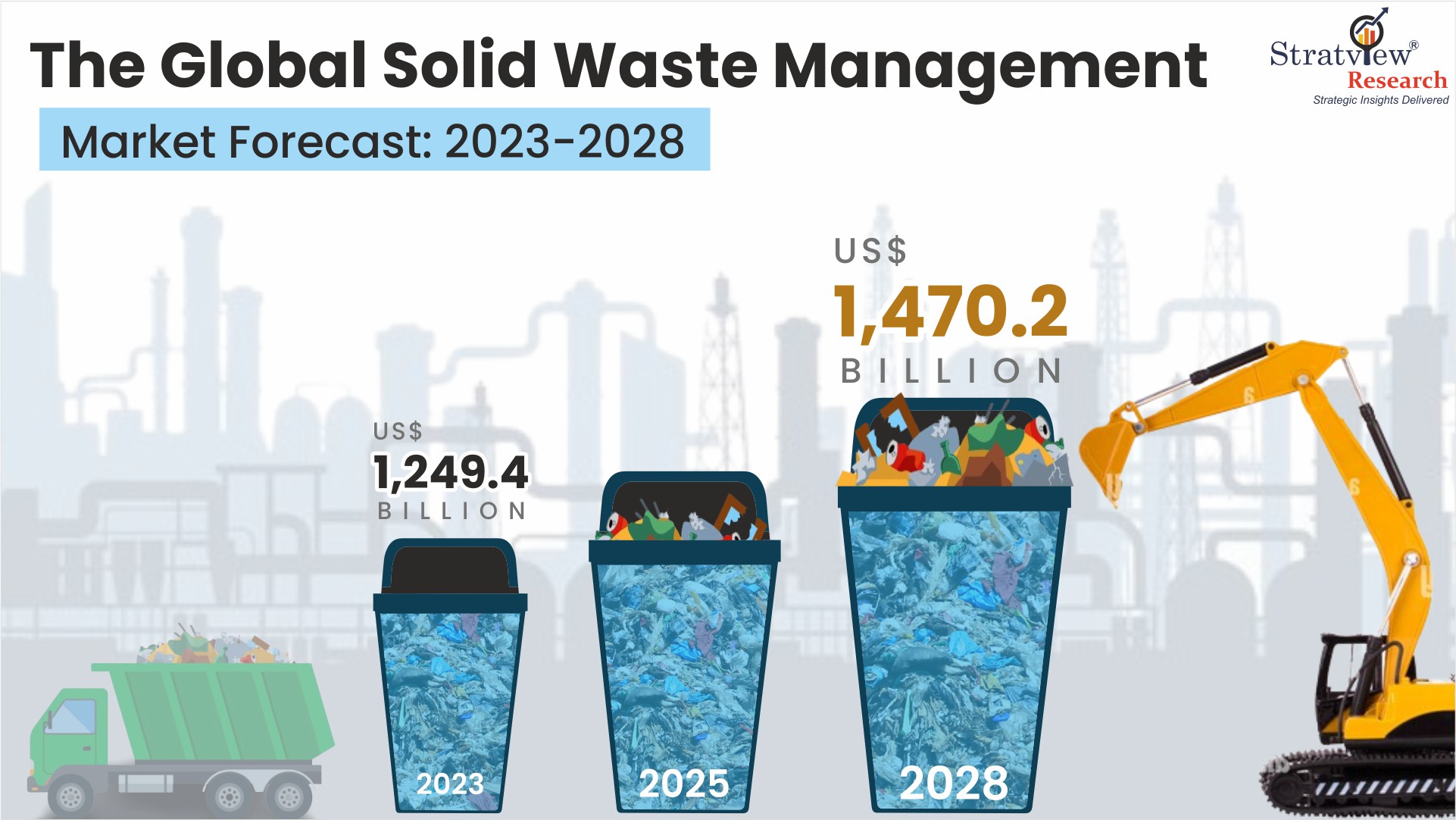
Fig. The Global Solid Waste Management, Market Forecast : 2023-2028
The APAC region generates the majority of the world's solid waste, with countries like China and India experiencing rapid annual increases. Particularly the East Asia and Pacific region contributes significantly to global waste generation, accounting for nearly a quarter (23%) of all waste. World Bank predicts that, China – the highest waste generator’s annual solid waste quantities will cross over 480 million tons by 2030.
Technologies to Tackle the Trash
A major part of the Chinese waste goes into waste-to-energy plants, landfills, and incineration plants, states the National Bureau of Statistics.
The largest dump yard Jiangcungou landfill in China was designed to collect 2,500 tonnes of waste/day, and receives 10,000 tonnes of waste/day, making it already full, years ahead of estimated time – 2044. Also, the nation’s largest Waste-to-Energy plant at Shenzhen can handle ~5,000 tons of waste/day. To keep up with the growing volumes of waste, the country has set key targets to reuse 60 % of its urban household waste by 2025.
Japan, another Asian country manages its waste mostly via incineration method. The recycling rate of Japan’s total waste is just around 20%, and about 70% of the waste generated in Japan is incinerated. Japan also has waste reduction acts like – the act on promotion of food loss and waste reduction that aims to reduce food waste by 50% by 2030.
The UAE aims to increase its waste recycling percentage from 20% now, to 90% by 2050. It houses the world's largest waste-to-energy plant that converts half of the city's waste into electrical energy. The plant aims to convert ~ 2 million metric tons of garbage every year to produce electricity that can power 135,000 houses.
While countries like Japan and Sweden, effectively manage their waste through recycling, incineration, and other techniques, nations like Nigeria, Turkey, Indonesia, etc. still struggle with waste management often relying on landfills.
To reduce reliance on landfills, the UAE is also building the world's most advanced waste-to-energy plant in Abu Dhabi with a processing capacity of 900,000 tonnes of non-recyclable waste every year for the next 30 years.
As the world generates large volumes of waste, traditional methods won’t be enough to abate the waste problems. The implementation of innovative technologies, like smart sorting, TrashBots, etc., using emerging technologies like Artificial Intelligence (AI), Blockchain, and the Internet of Things (IoT), etc. offer a promising avenue for sustainable waste management.
For example, Norway utilizes sensors that help to keep a note of amount of waste being collected in bins so that collection can be better planned. Nearly half of Latin America's waste ends up in landfill. To curb the landfill waste problem, technologies are being used. For example, the Atando Cabos project in Chile, collects plastic waste from aquaculture,using blockchain technology to ensure the transparency and efficiency of its recycling operations.
There are robots that segregate 5 tonnes of waste in an hour , there are manhole cleaning robots to help humans, and there are duck-like trashcan robots that follow pedestrians to avoid trashing. And to address the specific challenge of e-waste, there are robots that use AI to capture images, segregate and discard e-waste or send it for recycling.
Read about Yo-Waste's Innovative Solution of Uganda? Also called the ‘Uber for Waste’, this startup simply provides waste collection service or on-demand waste pickup at just a single tap on the residents’ smartphones.
The abstract of the above is just that – the global waste generation is on the rise, demanding for robust management. The term ‘smart’ acts as a catalyst for developing sustainable and efficient strategies in the waste management sector that has long seen that traditional techniques aren’t sufficient to deal with the heap of trash the world is generating.
The history of guesswork, manual picking, etc. now is gradually being replaced with smart solutions. The solid waste management industry coupled with emerging technologies will be delivering a more sustainable and low-waste future.