
The Aircraft MRO market, worth over USD 250 billion, plays a critical role in keeping commercial and military fleets operational. Driven by ageing aircraft, delivery delays, rising passenger traffic, and advanced aircraft systems, demand for engine, line, component, and airframe maintenance continues to grow globally.
An aircraft is no ordinary machine. Engines burn fuel at 2,000 degrees Celsius and produce over 100,000 lbs of thrust to keep the 500,000+ lbs giant sprinting at over 1,000 kilometres per hour. Interestingly, all of this happens at altitudes as high as 40,000 ft. This is an attestation to the brilliant engineering that goes into designing these machines. Yet, beyond the one-time brilliance of design, it is the ongoing engineering of maintenance that keeps them performing at such levels under extreme conditions. This is essential not only to ensure the highest levels of safety for souls on board but also to protect the profitability of operators who rely on these machines to run flawlessly, flight after flight. This is where Aircraft Maintenance, Repair, and Overhaul (MRO), a USD 250+ billion industry (in 2024), comes into play.
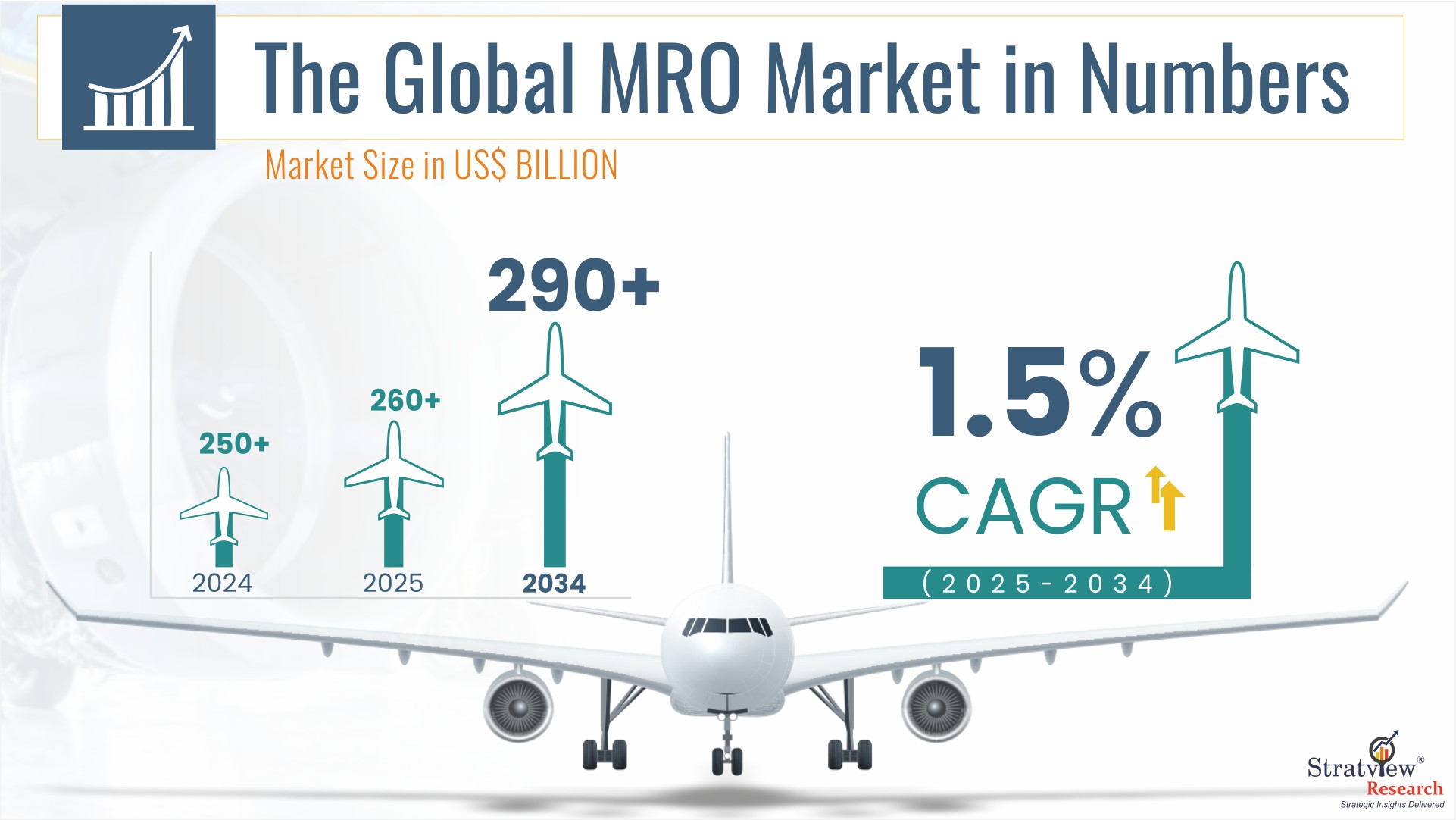
Fig 1. The Global MRO Market Size Forecast
Engines, Line Checks, and Beyond
Keeping an aircraft in service is about far more than topping up fuel and sending it back into the sky. Every system, big or small, needs attention, and that’s why the global MRO market can be classified into four areas: engines, line maintenance, components, and airframe.
Engines make up the biggest share, >30% of the total market. For maintenance, the engines are typically taken apart module by module. Each component is inspected for damage and is repaired or replaced, and the engine is reassembled and tested at full power before going back on the wing. Line maintenance follows the engines with >25% of the market share. This is the everyday work that keeps planes flight-ready. This includes walk-around checks, topping up fluids, swapping tires or brake units, fixing pilot-reported issues, running software updates, checking digital systems and more. The rest comes from components and airframes. Components include landing gear, hydraulics, and avionics, while airframe work covers the fuselage, wings, and other heavy structural maintenance carried out in hangars.
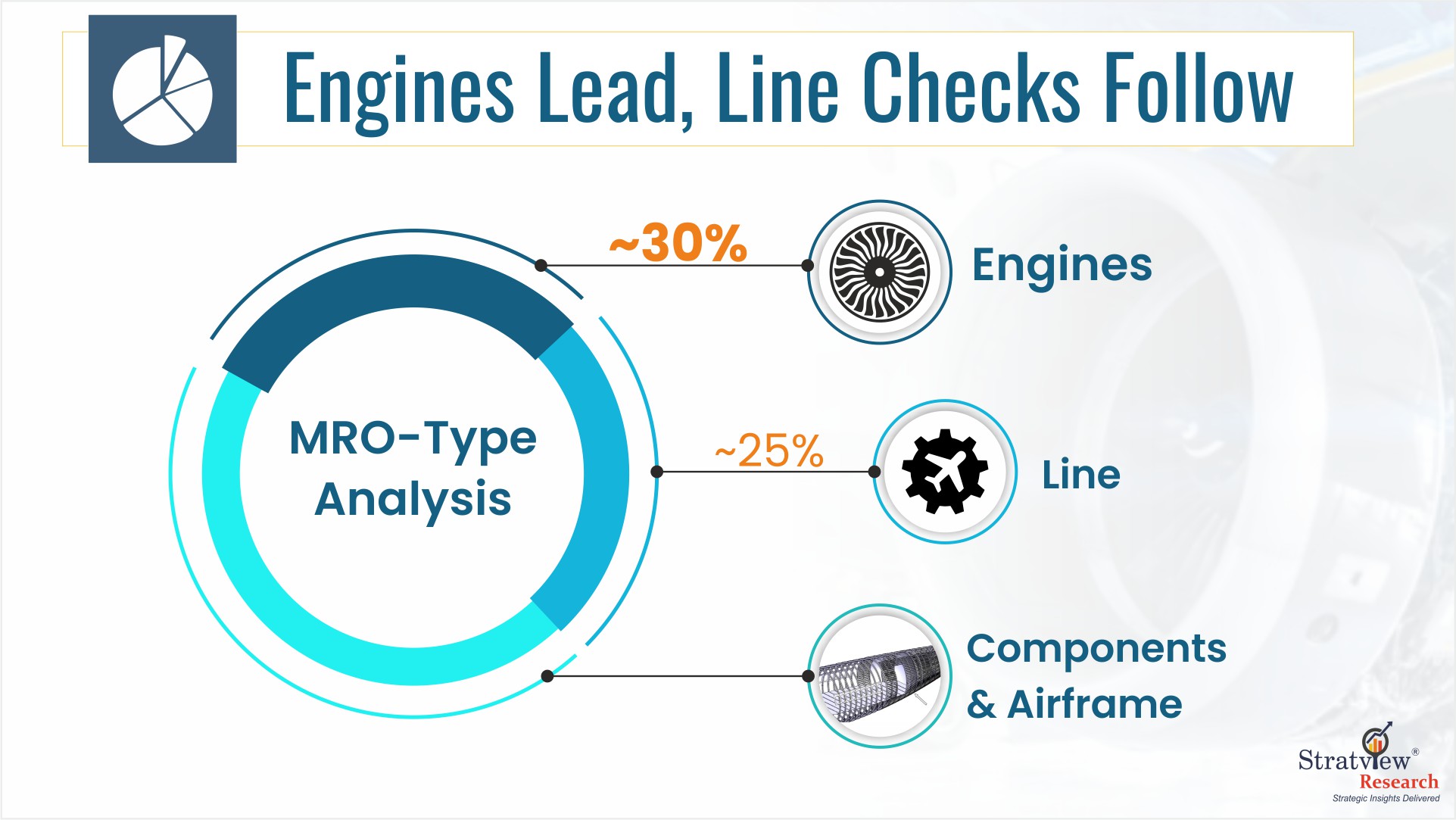
Fig 2. Aircraft MRO Market Breakdown: Engines Lead, Line Maintenance Follows
Aircraft Types and Regions Driving MRO Demand
When you look at the Aircraft MRO market by aircraft type, military aircraft take the largest share, accounting for >50% of total market. The reason is simple. Defense fleets are large and kept in service for decades, often exceeding the intended lifespan. For instance, the average age of fighter aircraft in the U.S. military is more than 25 years, while bomber aircraft average over 40 years. Keeping these ageing but critical assets operational requires continuous investment in maintenance.
Commercial planes constitute the 2nd significant sector, with narrow-body and wide-body jets combined. These aircraft power the passenger and cargo operations worldwide. Their high utilisation means constant demand for maintenance, from routine line checks to major overhauls, ensuring they can fly multiple cycles daily. Regional jets, turboprops, and civil helicopters make up for the rest of the market share.
Looking at the Aircraft MRO market by region, North America leads with >35% of the global MRO market, supported by its large commercial and military fleets. The United States alone is home to more than 500 MRO providers. Asia-Pacific follows, driven by fast-growing airline fleets in China, India, and Southeast Asia. Europe and the rest of the world make up the rest of the market, supported by established aviation hubs, regional carriers, and defense programs.
What Drives The Demand?
A confluence of factors, including a global average fleet age of 14.8 years, is putting immense pressure on airlines. According to the International Air Transport Association (IATA), the wait time for new aircraft deliveries now stands at around 14 years, double the pre-pandemic norm. As a result, airlines need to rely on their existing fleets for longer. This increases the importance of MRO services to keep aircraft safe, reliable, and profitable.
However, the demand for MRO is not only accelerated by ageing fleets and delivery delays. Rising passenger operations are a key driver too. Airports Council International (ACI) projects global passenger traffic to reach 17.7 billion by 2043 and 22.3 billion by 2053, nearly 2.4 times the 2024 volume. Each additional flight cycle contributes to component wear, directly raising the need for maintenance. Air cargo also continues to perform strongly, with ACI World reporting global volumes of about 115 million metric tonnes in 2024. Boeing projects global air cargo traffic to increase by around 4% annually through 2043. More passenger and cargo flights mean more cycles and more component fatigue, which sustains long-term demand for MRO.
Modern aircraft add another layer of complexity. They rely heavily on fly-by-wire systems, digital avionics, and passenger-focused technologies such as integrated cabin electronics and high-bandwidth in-flight connectivity. For example, the Airbus A350 and Boeing 787 use fly-by-wire controls and digital monitoring systems. These aircraft also feature advanced cabin systems, touchscreen controls, smart lighting, satellite-based connectivity, etc. Such complexity increases the number of systems requiring regular upkeep and software updates, expanding the scope of MRO.
Conclusion:
MRO is an indispensable part of global aviation, keeping fleets in the air and operations safe & profitable. In 2025, the market is projected to reach around USD 260 billion and, at a CAGR of 1.5 percent, is expected to exceed USD 290 billion by 2034 (according to a report by Stratview Research). As aviation worldwide continues to expand, the role of MRO will only grow in scale and sophistication.
Subscribe to our newsletter
Related Articles:

Hydraulic Pumps Continue to Power Flight-Critical Aircraft Systems
Didn’t find what you were looking for?
Tell us about your requirements
(Our team usually responds within a few hours)